Old Town Lawrenceville, GA
Whole-Building Fire & Smoke Odor Removal in Old Town Lawrenceville, GAHVAC Duct Smoke Cleaning & Electrostatic Soot Removal
Whole-Building Fire & Smoke Odor Removal in Old Town Lawrenceville includes whole-house air scrubbing, thermal fogging deodorization, and ozone treatment for smoke odor.
Answered 24/7
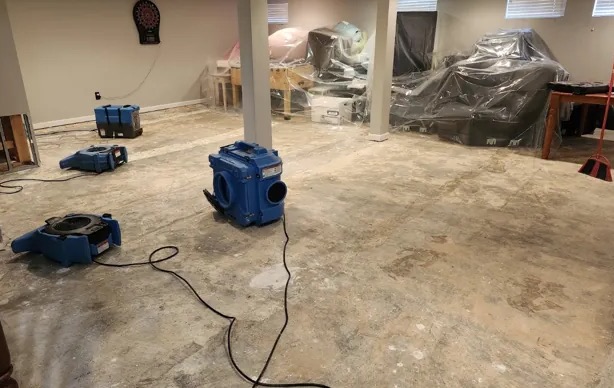
Whole-Building Fire & Smoke Odor Removal Experts Serving Old Town Lawrenceville
Smoke odor is a mix of gases and fine particles that cling to surfaces and fabrics and can irritate eyes and throats. Different residues need different treatments.
For residents in the Old Town Lawrenceville area, local climate can affect how long smoke odor lingers. Local whole-building deodorization specialists adjust drying and deodorizer use to the conditions of each property.
Whole-Building Deodorization Process
HVAC Duct Smoke Cleaning
After a fire in Old Town Lawrenceville, the duct system is cleaned with vacuum equipment and agitation tools before it is used again.
Electrostatic Soot Removal
Removing dry soot this way keeps it from being ground into surfaces, so hard surfaces come clean throughout the home.
Fire Damaged Material Removal
In Old Town Lawrenceville, damaged flooring and framing are taken out before deodorizing, so treatment is not wasted on materials that will be replaced.
Thermal Fogging Deodorization
Thermal fogging targets strong odors in porous materials, reaching residue behind cabinets and in ceiling spaces.
Ozone Treatment for Smoke Odor
Ozone treats the full air volume of a room. People, pets, and plants stay out until the space is aired out again.
Signs an Old Town Lawrenceville Property Needs Fire Smoke Odor Elimination
Soot in Electrical Outlets
Fine soot inside outlets and behind switch plates shows smoke reached into wall cavities, not just room surfaces.
Soot Residue on Walls and Ceilings
Black or gray soot on walls and ceilings shows smoke residue that household cleaners tend to smear rather than remove.
Odor Stronger on Humid Days
A smoke smell that gets stronger on damp days means odor is trapped in porous materials and released when moisture rises.
Persistent Smoky Odor in Rooms
A fire smell that stays in several rooms after cleaning means odor has soaked into the building, not just the surfaces.
How Whole-Building Fire & Smoke Odor Removal Works in Old Town Lawrenceville
Step 1: Source Removal and Cleaning
Burned materials are removed first, and electrostatic cleaning lifts soot from the walls and ceilings that remain.
Step 2: HVAC Duct Smoke Cleaning
The ductwork and air handler are cleaned so the HVAC system stops moving smoky air through the building.
Step 3: Ozone Treatment for Smoke Odor
Ozone generators run in the closed, empty building to break down the odor compounds that remain.
Step 4: Final Air Quality Verification
Pros check the building for any remaining smoke odor before it is reoccupied and the job is closed out.
What Makes Fire Odor So Difficult to Remove
Absorption Into Soft Furnishings
Couches, carpets, and drapes trap smoke odor and release it slowly for weeks after the fire.
Contaminated HVAC Ductwork
An HVAC system running during a fire pulls smoky air into the ducts and coats their insides with soot.
Burning of Synthetic Materials
Burning furniture and plastics produce thick, oily smoke that leaves a sticky, strong-smelling residue on every surface.
Secondary Water Damage
Water used to fight the fire can spread soot into new areas and carry odor into floors and wall cavities.
Comprehensive Odor Solutions for Any Building
Residential Whole-Building Fire & Smoke Odor Removal
Homeowners need both the structure and their belongings treated. Pros clean personal items and fog the building so the smell leaves the whole living space.
Commercial Whole-Building Fire & Smoke Odor Removal
Restaurants and stores need merchandise, equipment, and ductwork cleaned so smoke odor does not drive customers away after reopening.
Whole-Building Fire & Smoke Odor Removal vs. DIY Odor Removal Methods
Open windows and run fans to clear the first wave of smoke, and wipe hard surfaces like counters and glass with a degreasing cleaner. Odor in walls or fabrics needs professional deodorizing.
Understanding Whole-Building Fire & Smoke Odor Removal Cost Factors
The number of rooms to treat and the methods needed, such as thermal fogging or ozone, drive most of the cost of whole-house odor removal.
HVAC System Contamination
Cleaning ducts and HVAC parts adds equipment time and access work to the job.
Affected Material Types
Porous materials like drywall and upholstery often need special treatment or removal, which adds work.
Content Cleaning Scope
The number and type of belongings to clean, and whether they go off-site, affect time and cost.
Does Insurance Cover Whole-Building Fire & Smoke Odor Removal?
Your policy terms decide coverage. The professionals prepare a written scope with photos to submit with your claim; discuss the process with your insurer.
Benefits of Hiring Local Pros in Old Town Lawrenceville
24/7 Emergency Response
Smoke odor sets into materials over time, so starting quickly limits how deep it soaks in.
IICRC-Standard Deodorization Methods
Pros follow established smoke odor protocols, treating odor at its source instead of covering it with fragrance.
Specialized Odor Removal Equipment
Ozone generators, thermal foggers, and HEPA scrubbers are built for odor work that household tools cannot do.
Urgent Whole-Building Fire & Smoke Odor Removal When You Need It Most
Smoke odor spreads into belongings and building materials fast after a fire. Call (770) 501-7883 at any hour for emergency smoke damage cleanup help.
Call Now (770) 501-7883Areas Served for Whole-Building Fire & Smoke Odor Removal
Help with whole-building fire & smoke odor removal is available across Old Town Lawrenceville, including whole-house air scrubbing and thermal fogging deodorization.
- Whole-Building Fire & Smoke Odor Removal in Auburn
- Whole-Building Fire & Smoke Odor Removal in Berkeley Lake
- Whole-Building Fire & Smoke Odor Removal in Braselton
- Whole-Building Fire & Smoke Odor Removal in Brookwood
- Whole-Building Fire & Smoke Odor Removal in Buford
- Whole-Building Fire & Smoke Odor Removal in Cedar Creek
- Whole-Building Fire & Smoke Odor Removal in Collins Hill
- Whole-Building Fire & Smoke Odor Removal in Dacula
Your Whole-Building Fire & Smoke Odor Removal Questions Addressed
Will opening windows get rid of smoke smell in home?
Airing out helps with smoke in the air at first, but it does not remove odor soaked into walls, furniture, and carpet.
What materials typically require fire damaged material removal?
Charred wood, melted plastics, contaminated insulation, and anything that cannot be cleaned or is unsafe are removed and disposed of.
What's the difference between cleaning and deodorizing?
Cleaning removes visible soot residue, while deodorizing breaks down the odor molecules left behind. Most fire jobs need both steps.
Are personal belongings safe during ozone treatment?
People, pets, and plants must stay out during treatment. Most belongings can stay, though pros may remove items made of rubber or other sensitive materials.
Why is HVAC duct smoke cleaning necessary?
Soot in the ducts spreads odor every time the system runs. Cleaning the ducts stops that cycle so treated rooms stay fresh.