Buford, GA · Gwinnett County
Whole-Building Fire & Smoke Odor Removal in Buford, GAWhole-House Air Scrubbing & Thermal Fogging Deodorization
Whole-Building Fire & Smoke Odor Removal in Buford pairs whole-house air scrubbing, HVAC duct smoke cleaning, and fire damaged material removal.
Answered 24/7
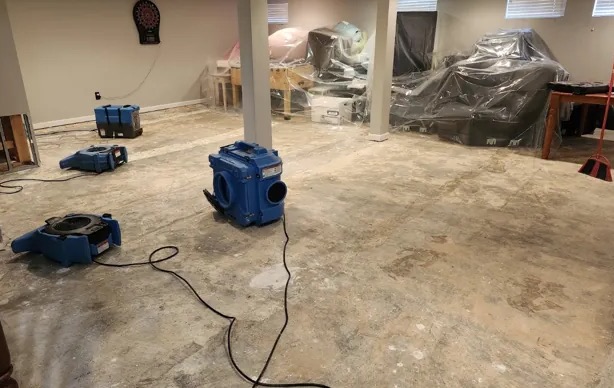
Fire and Smoke Odor Elimination Services in Buford
Fire odor comes from acidic, oily, and protein residues, and each needs a different cleaning agent. One product used everywhere rarely gives a lasting result.
For homes in Buford and nearby Sugar Hill, Suwanee and Flowery Branch, treating the air alone is not enough because odor binds to surfaces. Local pros clean, deodorize, and then seal porous materials.
Whole-Building Deodorization Process
Whole-House Air Scrubbing
For properties in Buford, scrubbers can run under negative pressure, drawing smoky air through several filter stages and out of the building.
Thermal Fogging Deodorization
A heated deodorant is released as a fine fog that reaches into wall cavities and ceilings, where it breaks down odor molecules.
Air Scrubbing for Whole Buildings
Air scrubbing clears airborne particles early in the cleanup, which keeps soot off surfaces and contents during later treatments.
HVAC Duct Smoke Cleaning
After a fire in Buford, the duct system is cleaned with vacuum equipment and agitation tools before it is used again.
Ozone Treatment for Smoke Odor
Ozone generators oxidize odor compounds in the air and on surfaces, which helps with strong chemical smells from burned plastics.
Indicators That DIY Odor Removal Has Failed
Smoke Odor in Closed Cabinets
Items inside closed cabinets that smell of smoke show the odor has passed through gaps and seals throughout the house.
Soot Residue on Walls and Ceilings
Black or gray soot on walls and ceilings shows smoke residue that household cleaners tend to smear rather than remove.
Smell Emanates From HVAC Vents
A smoky smell coming from vents means the HVAC system is carrying odor from the ducts into every room.
Odor Stronger on Humid Days
A smoke smell that gets stronger on damp days means odor is trapped in porous materials and released when moisture rises.
How Whole-Building Fire & Smoke Odor Removal Works in Buford
Step 1: Initial Deodorization With Fogging
Smoke odor elimination experts fog the building first, breaking down odor residue on surfaces throughout the structure.
Step 2: Content Decontamination and Cleaning
Salvageable belongings are cleaned, often off-site, with methods suited to each material so soot and odor come out.
Step 3: Whole-Building Air Exchange
Negative air machines and scrubbers exchange the indoor air, pulling out smoky air and replacing it with filtered air.
Step 4: Sealing for Residual Odor Control
Porous framing and subfloors are sealed so any last traces of odor stay locked in place.
What Makes Fire Odor So Difficult to Remove
Burning of Synthetic Materials
Burning furniture and plastics produce thick, oily smoke that leaves a sticky, strong-smelling residue on every surface.
Thermal Movement of Odor Particles
Heat from a fire pushes smoke and odor into small cracks and gaps throughout the structure.
Incomplete Post-Fire Cleaning
Wiping and vacuuming after a fire often misses fine smoke particles lodged in porous surfaces and floating in the air.
Secondary Water Damage
Water used to fight the fire can spread soot into new areas and carry odor into floors and wall cavities.
Whole-Building Fire & Smoke Odor Removal for Homes and Businesses
Residential Whole-Building Fire & Smoke Odor Removal
Homeowners need both the structure and their belongings treated. Pros clean personal items and fog the building so the smell leaves the whole living space.
Commercial Whole-Building Fire & Smoke Odor Removal
Restaurants and stores need merchandise, equipment, and ductwork cleaned so smoke odor does not drive customers away after reopening.
When to Call Smoke Odor Elimination Experts for Smoke Smell
Wash dishes, glassware, and metal fixtures that have a smoky film. Do not run ozone machines yourself in occupied spaces; whole-house odor needs professional air scrubbing and treatment.
Cost Factors for Whole-Building Fire & Smoke Odor Removal in Buford
The number of rooms to treat and the methods needed, such as thermal fogging or ozone, drive most of the cost of whole-house odor removal.
Affected Material Types
Porous materials like drywall and upholstery often need special treatment or removal, which adds work.
Building Square Footage
Larger buildings need more labor time and more deodorizing solution to cover every room.
HVAC System Contamination
Cleaning ducts and HVAC parts adds equipment time and access work to the job.
Does Insurance Cover Whole-Building Fire & Smoke Odor Removal?
Your policy terms decide coverage. The professionals prepare a written scope with photos to submit with your claim; discuss the process with your insurer.
The Advantage of Local Fire Odor Specialists
Specialized Odor Removal Equipment
Ozone generators, thermal foggers, and HEPA scrubbers are built for odor work that household tools cannot do.
Thorough Soot Removal
Electrostatic cleaning removes fine soot from surfaces, which has to happen before deodorizing can work.
IICRC-Standard Deodorization Methods
Pros follow established smoke odor protocols, treating odor at its source instead of covering it with fragrance.
24/7 Emergency Whole-Building Fire & Smoke Odor Removal Response
Odor removal after a fire is easier when it starts soon. For fire and smoke odor cleanup from local pros, call (770) 501-7883 at any hour.
Call Now (770) 501-7883Areas Served for Whole-Building Fire & Smoke Odor Removal
Other places served are listed below, each with its own page.
- Whole-Building Fire & Smoke Odor Removal in Sugar Hill
- Whole-Building Fire & Smoke Odor Removal in Suwanee
- Whole-Building Fire & Smoke Odor Removal in Flowery Branch
- Whole-Building Fire & Smoke Odor Removal in Dacula
- Whole-Building Fire & Smoke Odor Removal in Auburn
- Whole-Building Fire & Smoke Odor Removal in Berkeley Lake
- Whole-Building Fire & Smoke Odor Removal in Duluth
- Whole-Building Fire & Smoke Odor Removal in Johns Creek
Your Whole-Building Fire & Smoke Odor Removal Questions Addressed
Is whole-house air scrubbing run continuously?
Yes. Industrial HEPA scrubbers run for long periods through the cleanup, filtering fine soot and odor particles from the air.
How long does fire odor remediation usually take?
It depends on severity, from a few days for a small kitchen fire to several weeks for smoke through a whole building.
Why is HVAC duct smoke cleaning necessary?
Soot in the ducts spreads odor every time the system runs. Cleaning the ducts stops that cycle so treated rooms stay fresh.
What's the difference between cleaning and deodorizing?
Cleaning removes visible soot residue, while deodorizing breaks down the odor molecules left behind. Most fire jobs need both steps.
What is the first step in smoke damage cleanup?
Pros assess the damage, then remove burned debris and soot-covered materials so deep cleaning can begin.