Brookwood, GA · Fulton County
Whole-Building Fire & Smoke Odor Removal in Brookwood, GASurface Sealing For Residual Odor & Fire Damaged Material Removal
Whole-Building Fire & Smoke Odor Removal in Brookwood pairs whole-house air scrubbing, HVAC duct smoke cleaning, and fire damaged material removal.
Answered 24/7
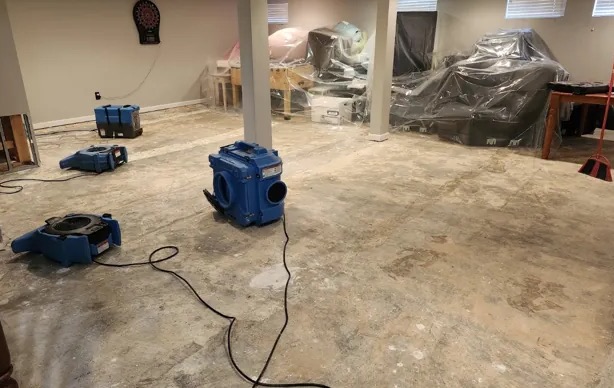
Professional Whole-Building Fire & Smoke Odor Removal in Brookwood, GA
In properties throughout the Brookwood community in Atlanta, drywall, insulation, and upholstery absorb smoke deeply, so wiping surfaces rarely removes the smell. Treatment has to reach the air and the materials.
For homes in Brookwood and nearby North Druid Hills, Brookhaven and North Decatur, treating the air alone is not enough because odor binds to surfaces. Local pros clean, deodorize, and then seal porous materials.
Comprehensive Whole-Building Fire & Smoke Odor Removal Services
Surface Sealing for Residual Odor
Exposed studs and subfloors get a sealant that holds in remaining odor molecules before walls and floors are rebuilt.
Fire Damaged Material Removal
Charred drywall, melted synthetics, and soaked insulation are removed first, since these materials hold the strongest odor.
HVAC Duct Smoke Cleaning
Supply and return ducts, registers, and the air handler are all cleaned to remove soot and tar that would otherwise circulate.
Electrostatic Soot Removal
Charged cleaning solutions attract soot particles and lift them off walls and ceilings, preparing surfaces for sealing or paint.
Thermal Fogging Deodorization
Thermal fogging targets strong odors in porous materials, reaching residue behind cabinets and in ceiling spaces.
Warning Signs of Persistent Smoke Odor
Soot in Electrical Outlets
Fine soot inside outlets and behind switch plates shows smoke reached into wall cavities, not just room surfaces.
Metallic or Chemical Odor Present
A sharp chemical or metallic smell usually comes from burned plastics or synthetics and needs stronger deodorizing than cleaning alone.
Discolored or Stained Fabrics
Yellowed or grayed curtains, upholstery, or clothing have absorbed smoke and usually need special cleaning to lose the odor.
Smoke Odor in Closed Cabinets
Items inside closed cabinets that smell of smoke show the odor has passed through gaps and seals throughout the house.
How Whole-Building Fire & Smoke Odor Removal Works in Brookwood
Step 1: Comprehensive Soot Removal
Dry and wet cleaning remove visible soot, which carries much of the lingering smoke odor.
Step 2: Deep HVAC System Decontamination
The HVAC system is cleaned and deodorized, since dirty ducts are a common source of returning smells.
Step 3: Advanced Oxidizing Treatments
Ozone or hydroxyl treatment breaks down odor molecules left in the air and in porous materials.
Step 4: Final Deodorization and Cleaning
A final round of cleaning and deodorizing follows, and pros check each room for odor before finishing.
Common Causes of Persistent Fire Odor
Thermal Movement of Odor Particles
Heat from a fire pushes smoke and odor into small cracks and gaps throughout the structure.
Absorption Into Soft Furnishings
Couches, carpets, and drapes trap smoke odor and release it slowly for weeks after the fire.
Incomplete Post-Fire Cleaning
Wiping and vacuuming after a fire often misses fine smoke particles lodged in porous surfaces and floating in the air.
Improper Initial Odor Mitigation
Air fresheners and surface cleaners only cover the smell and leave the residue that causes it in place.
Whole-Building Deodorization for Brookwood Residences and Offices
Residential Whole-Building Fire & Smoke Odor Removal
In homes, every living space usually needs treatment. Local pros run air scrubbers and clean contents so bedrooms, closets, and belongings stop smelling of smoke.
Commercial Whole-Building Fire & Smoke Odor Removal
Businesses need odor gone before reopening. Fire restoration professionals clean the ducts and fog lobbies, offices, and stock rooms so customers and staff are not met by smoke smell.
When to Call Smoke Odor Elimination Experts for Smoke Smell
Open windows and run fans to clear the first wave of smoke, and wipe hard surfaces like counters and glass with a degreasing cleaner. Odor in walls or fabrics needs professional deodorizing.
Cost Factors for Whole-Building Fire & Smoke Odor Removal in Brookwood
The number of rooms to treat and the methods needed, such as thermal fogging or ozone, drive most of the cost of whole-house odor removal.
HVAC System Contamination
Cleaning ducts and HVAC parts adds equipment time and access work to the job.
Severity of Smoke Penetration
Heavy smoke residue needs more cleaning passes and repeat treatments than light surface soot does.
Affected Material Types
Porous materials like drywall and upholstery often need special treatment or removal, which adds work.
Does Insurance Cover Whole-Building Fire & Smoke Odor Removal?
Your insurer decides whether whole-building fire & smoke odor removal is covered. The experts in Brookwood provide documentation for the claim file, and final approval rests with the insurance company.
Why Choose Local Experts for Whole-Building Fire & Smoke Odor Removal
Content Salvage Focus
Belongings are cleaned and deodorized so items that might otherwise be thrown out can often be kept.
Comprehensive Odor Attack Plan
Air scrubbing, fogging, and sealing together treat both airborne odor and odor held inside materials.
24/7 Emergency Response
Smoke odor sets into materials over time, so starting quickly limits how deep it soaks in.
24/7 Emergency Whole-Building Fire & Smoke Odor Removal Response
Odor removal after a fire is easier when it starts soon. For fire and smoke odor cleanup from the pros, call (770) 501-7883 at any hour.
Call Now (770) 501-7883Areas Served for Whole-Building Fire & Smoke Odor Removal
Each place listed below has its own page with local details.
- Whole-Building Fire & Smoke Odor Removal in Mountain Park
- Whole-Building Fire & Smoke Odor Removal in Braselton
- Whole-Building Fire & Smoke Odor Removal in Russell
- Whole-Building Fire & Smoke Odor Removal in Flowery Branch
- Whole-Building Fire & Smoke Odor Removal in Hoschton
- Whole-Building Fire & Smoke Odor Removal in Winder
- Whole-Building Fire & Smoke Odor Removal in Stone Mountain
- Whole-Building Fire & Smoke Odor Removal in Tucker
Your Whole-Building Fire & Smoke Odor Removal Questions Addressed
How effective is electrostatic soot removal?
Charged cleaning solutions attract fine soot and lift it off surfaces, which prepares them for deodorizing and paint.
Can fire smells come back after treatment?
They can if treatment is incomplete. Cleaning the ducts and sealing porous surfaces keeps odor from coming back after the work.
How does thermal fogging deodorization work?
A heated deodorant is turned into a fine fog that travels into porous materials and breaks down odor molecules where cleaning cannot reach.
What materials typically require fire damaged material removal?
Charred wood, melted plastics, contaminated insulation, and anything that cannot be cleaned or is unsafe are removed and disposed of.
How long does fire odor remediation usually take?
It depends on severity, from a few days for a small kitchen fire to several weeks for smoke through a whole building.