Johns Creek South, GA
Attic Water Damage Restoration in Johns Creek South, GAAttic Moisture Inspection & Ceiling Water Damage Cleanup
Attic Water Damage Restoration in Johns Creek South includes roof leak water removal, ceiling water damage cleanup and attic moisture inspection.
Answered 24/7
Professional Attic Water Damage Restoration in Johns Creek South, GA
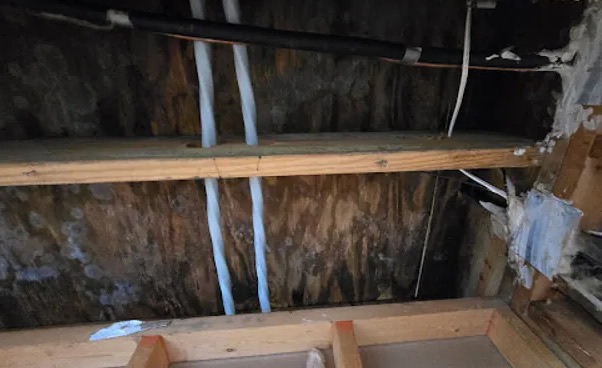
Most attic water damage starts at the roof, but it ends up on the ceiling. In Johns Creek South, a leak around flashing, a vent or damaged shingles can soak insulation and decking for weeks before a stain shows up in the room below.
The Attic Water Damage Restoration Process in Johns Creek South, GA
Attic Moisture Inspection
Moisture meters and thermal cameras check decking, rafters, insulation and the ceiling below to find every wet area.
Ceiling Water Damage Cleanup
A ceiling stained or soaked from an attic leak is drained safely, and sagging drywall is cut out before it falls into the room.
Wet Attic Insulation Removal
Wet fiberglass batts lose their insulating value and hold water against the ceiling. Soaked sections are bagged and removed so the area underneath can dry.
Attic Mold Prevention
After drying, an antimicrobial can be applied to roof decking and framing that were wet, to slow mold on surfaces that stay in place.
Roof Leak Water Removal
A roof leak often drips in one spot but spreads along rafters and decking. The pros follow the water path to find every wet area.
Do You Need Attic Water Damage Restoration in Johns Creek South?
Rust on Nails or Vents
Rusted nail tips, vent flanges or metal straps in the attic point to repeated moisture.
Water Stains on Ceiling
Brown rings or yellow spots on an upstairs ceiling usually mean water is sitting on the drywall from above.
Musty Odors in Home
A musty or damp smell on the upper floor can point to wet insulation or wood in the attic.
Active Leak During Rain
Water dripping into the attic during rain shows an active roof leak that needs fixing and drying.
How Attic Water Damage Restoration Works in Johns Creek South
Step 1: First Call and Inspection
The pros check the attic and ceiling, take photos and note where the water entered the attic.
Step 2: Bulk Water and Debris Removal
Standing water, wet insulation and fallen drywall are removed from the attic and room below.
Step 3: Drying and Monitoring
Readings are taken daily, and equipment is adjusted until every wet material is dry.
Step 4: Detailed Reporting for Insurance
A summary of the damage, the materials removed and the drying results is prepared for your claim.
Why Attics Get Water Damage in Johns Creek South
Failing Roof Valley or Flashing
Worn flashing around valleys, chimneys and skylights lets water run into the attic.
Storm Damage From Wind or Hail
Wind and hail can tear shingles or puncture the roof, letting rain in during the storm.
Overflow From Bathroom Exhaust Fans
Bathroom fans that vent into the attic, or have disconnected ducts, release moisture onto the decking.
Roof Leaks and Damaged Shingles
Missing, cracked or lifted shingles let rain reach the roof deck and drip into the attic.
Both Residential & Commercial Attic Water Damage Restoration
Residential Attic Water Damage Restoration
At home, attic leaks usually show up as a stain on a bedroom or hallway ceiling. The attic is dried, wet insulation removed and the ceiling below repaired or dried in place.
Commercial Attic Water Damage Restoration
In commercial buildings, water above a drop ceiling can soak tiles, wiring and insulation across several rooms. Affected tiles are removed and the space above them is dried.
Handling Attic Water Damage: DIY Risks vs. Pro Help
Fixing the roof stops new water but does not dry what is already wet. After any roof repair, have the attic checked for damp insulation and wood.
What Influences Attic Water Damage Restoration Expenses?
Tight attic access, after-hours calls and ceiling drywall replacement all add to the total for attic water damage restoration in Johns Creek South.
Ceiling Repair Needs
Replacing, taping and painting ceiling drywall after drying adds to the total.
Affected Attic Materials
Wet insulation, decking and ceiling drywall that must be removed add labor and disposal costs.
Extent of Water Intrusion
A small leak at one spot costs less to dry than water spread across the attic and the rooms below.
Does Insurance Cover Attic Water Damage Restoration?
Insurers often ask what caused the leak and how long it ran. Notes on the leak point and the condition of the roof help answer those questions.
Advantages of Hiring Local Pros for Attic Water Damage Restoration
Roof Leak Location
The leak point is marked and photographed so the roofer can fix the right spot.
Industry Drying Standards
Drying follows industry water damage standards, with readings taken at each visit.
Detailed Documentation
Photos, readings and drying logs are kept to support your insurance claim.
24/7 Attic Water Damage Restoration Response for Johns Creek South
Water dripping from your ceiling in Johns Creek South? Put a bucket under it, move belongings and call (770) 501-7883. Help for attic leaks is available 24/7.
Call Now (770) 501-7883Local Attic Water Damage Restoration Coverage Area
Homes and businesses throughout Johns Creek South can get roof leak water removal and attic mold prevention as part of attic water damage restoration.
- Attic Water Damage Restoration in Acworth
- Attic Water Damage Restoration in Alpharetta
- Attic Water Damage Restoration in Atlanta
- Attic Water Damage Restoration in Auburn
- Attic Water Damage Restoration in Belvedere Park
- Attic Water Damage Restoration in Berkeley Lake
- Attic Water Damage Restoration in Braselton
- Attic Water Damage Restoration in Brookhaven
Attic Water Damage Restoration FAQs
Why is an attic moisture inspection important after a leak?
Water spreads along rafters and insulation away from the drip point. Meters find all of it, so nothing is left wet.
What equipment is used for attic water removal?
Wet vacs, air movers, dehumidifiers, moisture meters and thermal cameras, plus bags and HEPA vacuums for insulation removal.
How long does the attic drying process take?
Often several days, depending on how wet the wood is, the attic temperature and how much insulation was removed.
What are common signs of poor attic ventilation?
Damp or dark roof decking, rusted nails, musty smells and condensation on the underside of the roof.
Should I remove belongings from my attic after water damage?
Yes, if it is safe. Wet boxes and items should be moved out so they can dry and the attic can be worked on.