Johns Creek South, GA
Emergency Damage Restoration in Johns Creek South, GAEmergency Water Extraction & Structural Drying Services
Emergency Damage Restoration in Johns Creek South includes storm damage repair, sewage backup cleanup and emergency water removal, day or night.
Answered 24/7
Emergency Damage Restoration Experts Serving Johns Creek South, GA
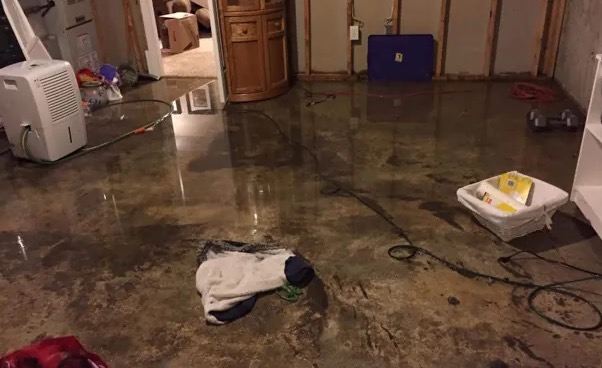
Emergency Damage Restoration in Johns Creek South is about limiting damage. Every step, from shutting off water to placing dehumidifiers, aims to keep the loss smaller than it would be if left alone.
Detailed Emergency Damage Restoration Offerings in Johns Creek South
Emergency Water Extraction
Removing standing water within hours keeps it from wicking higher into walls and soaking further into subfloors.
Structural Drying Services
Structural drying targets the materials water soaked into, using directed airflow into wall cavities and under flooring.
Emergency Water Removal
Help is available any hour, because water damage gets worse every hour it is left in place.
Storm Damage Repair
After a storm, a tarp can cover roof openings while water that came in through the roof, windows or doors is extracted.
Sewage Backup Cleanup
The likely cause of the backup is noted so a plumber can clear or repair the line and prevent another one.
Common Indicators for Emergency Damage Restoration in Johns Creek South Homes
Unexplained Spike in Water Bills
A sudden jump in the water bill with no change in use can point to a hidden leak.
Discolored or Sagging Ceilings
A ceiling that is stained, bulging or sagging is holding water and may fall. Keep people clear.
Warped or Buckling Flooring
Flooring that cups, buckles or lifts at the seams has water trapped underneath it.
Persistent Musty Odors
A musty smell that will not go away often means hidden moisture in walls, floors or the ceiling.
How Emergency Damage Restoration Works in Johns Creek South
Step 1: On-Scene Evaluation and Triage
The most urgent areas, such as sagging ceilings or water near outlets, are handled first.
Step 2: Water Removal
Standing water is pumped out, and soaked carpet pad and drywall are removed where needed.
Step 3: Dehumidification and Moisture Control
Dehumidifiers bring humidity down while air movers keep dry air moving across wet surfaces.
Step 4: Contents Cleaning
Belongings are cleaned, dried or listed, and the space is readied for repairs.
What Causes Major Property Damage in Johns Creek South
Sewer Line Blockages or Failures
Blocked or broken sewer lines push wastewater up into floor drains, tubs and toilets.
HVAC System Condensate Issues
Clogged AC condensate drains overflow into closets, attics and the ceilings of the rooms below.
Chronic Moisture and Condensation
Ongoing condensation and humidity slowly damage walls, ceilings and framing over time.
Roof Leaks From Storm Damage
Storm-damaged roofs let rain pour into attics, ceilings and the rooms below.
Emergency Damage Restoration for Homes and Businesses in Johns Creek South
Residential Emergency Damage Restoration
In homes, emergencies usually start with a burst pipe, a storm leak or a sewer backup. Water is extracted, belongings protected and the house dried so the family can return to normal.
Commercial Emergency Damage Restoration
In businesses, water emergencies can close the doors. Extraction and drying are planned to reopen parts of the space as soon as it is safe.
Professional Emergency Damage Restoration or DIY Repair in Johns Creek South
Do not stand under a sagging ceiling or use lights in a room where water is coming through fixtures. Leave the room and call (770) 501-7883.
Understanding Emergency Damage Restoration Costs in Johns Creek South
The cost of emergency damage restoration in Johns Creek South depends on how much water there is, what type it is and how many rooms and materials it reached.
Access Complexity
Multi-story buildings, crawl spaces and attics take more time to reach and work in.
Duration of Work
Drying often takes several days, and night or holiday calls can cost more than scheduled visits.
Damage Extent
More rooms and materials affected means more extraction, removal and drying time.
Does Insurance Cover Emergency Damage Restoration?
Photograph the water, the source and damaged belongings before cleanup starts, and keep receipts for emergency extraction, tarping and any hotel stay.
Selecting Local Pros for Your Emergency Damage Restoration Needs in Johns Creek South
Industry Methods
Extraction and drying follow industry water damage standards, with readings at every visit.
Drying Equipment
Air movers and dehumidifiers are placed from readings and adjusted every day.
Hazard Control
Electrical hazards, sagging ceilings and contaminated water are dealt with before cleanup begins.
Around-the-Clock Help for Emergency Damage Restoration in Johns Creek South
Water emergency in Johns Creek South? Shut off the source, turn off power to wet areas if safe and call (770) 501-7883. Help is available 24/7.
Call Now (770) 501-7883Emergency Damage Restoration Coverage Area for Johns Creek South, GA
Homes and businesses throughout Johns Creek South can get firefighting water cleanup and storm damage repair as part of emergency damage restoration.
- Emergency Damage Restoration in Acworth
- Emergency Damage Restoration in Alpharetta
- Emergency Damage Restoration in Atlanta
- Emergency Damage Restoration in Belvedere Park
- Emergency Damage Restoration in Brookhaven
- Emergency Damage Restoration in Chamblee
- Emergency Damage Restoration in Clarkston
- Emergency Damage Restoration in College Park
Your Emergency Damage Restoration Questions Addressed
What is a tarp used for after storm damage?
Covering roof openings or broken windows to keep more rain out while the inside is extracted and dried.
Can water-damaged electronics be restored?
Sometimes. They should stay unplugged and off until a specialist checks them, since powering them on can cause more damage.
Why is quick action so important for water damage?
Materials soak up more water every hour, and mold becomes more likely after a day or two.
What happens during the structural drying phase?
Air movers and dehumidifiers run continuously, and readings are taken daily until materials are dry.
What steps follow the water removal after a fire?
Wet debris is removed, the structure is dried and readings confirm the rooms are ready for repair.