Peachtree Corners, GA · Gwinnett County
HVAC Fire Damage Cleanup in Peachtree Corners, GAPost-Fire Duct Sanitization & HVAC Soot
Air duct soot removal, HVAC filter replacement, and smoke odor neutralization are part of HVAC Fire Damage Cleanup in Peachtree Corners.
Answered 24/7
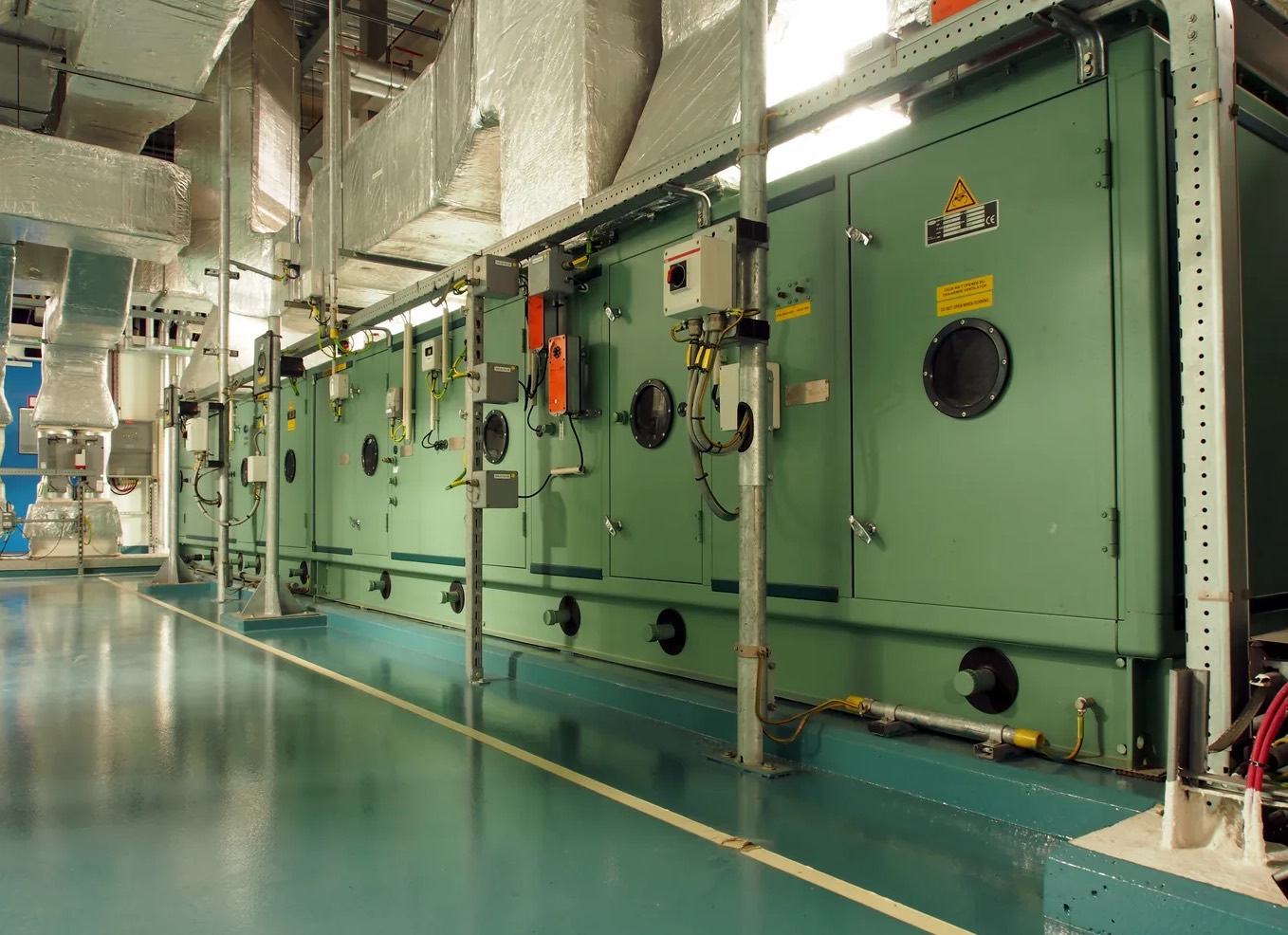
Trusted HVAC Fire Damage Cleanup in Peachtree Corners, Georgia
In Peachtree Corners, fire damaged HVAC duct cleaning is crucial. It prevents corrosive soot from damaging system components over time. Neglect can lead to costly repairs and persistent air quality issues.
In Peachtree Corners and nearby locales like Norcross, Berkeley Lake and Johns Creek, odor removal after fire in HVAC is common. Odor particles bind to dust and ducts. Local soot removal specialists use oxidation during duct sanitization to break them down.
Detailed HVAC Fire Damage Cleanup for Peachtree Corners Properties
Post-Fire Duct Sanitization
The goal of post-fire duct sanitization is a better-than-pre-fire hygienic state. It targets microscopic organisms feeding on smoke residues. This service makes ducts clean and resistant to biological growth.
HVAC Soot
Soot accumulation inside your HVAC system after a fire can cause operational issues and circulate contaminants. The specialists perform a thorough removal of all fire-related debris from critical system parts.
Air Quality Testing Post-Cleanup
Testing indoor air quality after HVAC cleaning delivers measurable results. Professionals use particle counters and air sampling pumps at supply vents. This confirms soot and pollutants are no longer emitted.
HVAC Fire Damage Cleanup
After a fire, an HVAC system can spread contaminants. Thorough HVAC fire damage cleanup addresses this specific risk. The process removes soot and residues from mechanical areas.
Air Duct Soot Removal
Soot accumulation in hidden ducts can undermine cleanup. The blower fan can redistribute it. A thorough cleaning addresses this contamination reservoir.
Signs Your Peachtree Corners Home Needs HVAC Soot Removal
HVAC System Is Noisy or Struggling
Unusual sounds or strain from your HVAC unit may indicate soot buildup on critical components like the blower motor.
Activation of Smoke Alarms From HVAC
Smoke detectors triggering when the HVAC system turns on is a severe sign of active particulate circulation needing emergency cleaning.
Soot Buildup on Furnace or AC Coils
Visible soot accumulation on internal HVAC coils reduces efficiency and requires professional cleaning for fire damaged HVAC duct cleaning.
Increased Allergy or Respiratory Issues
New or worsening allergy symptoms among occupants can point to poor indoor air quality from post-fire HVAC contamination.
How HVAC Fire Damage Cleanup Works in Peachtree Corners
Step 1: Initial Assessment and Documentation
The specialists begin by assessing the extent of smoke infiltration into the HVAC system. They document the damage with photos and notes, which can be useful for a homeowner's insurance claim process.
Step 2: Vent and Register Deep Cleaning
All vents, registers, and grilles are removed and cleaned. This step of vent cleaning for smoke damage removes visible soot and prevents it from being re-introduced into the cleaned duct system.
Step 3: HVAC Decontamination After Smoke
The interior ductwork undergoes a detailed sanitization process. This post-fire duct sanitization step uses EPA-registered agents to address microbial growth and neutralize lingering odors at their source.
Step 4: Final System Reassembly and Filter Replacement
All components are reinstalled. A new, high-efficiency air filter is installed as part of the HVAC filter replacement after fire protocol to capture any remaining microscopic particles.
Sources of Fire and Smoke Damage to HVAC Systems
House Fire or Kitchen Fire
A primary structure fire forces massive amounts of soot, smoke, and chemical residues directly into the home's HVAC intake and ductwork.
Chemical Residues From Burning Materials
Modern furnishings and building materials release acidic, corrosive chemicals when burned, which coat and damage HVAC components.
Smoke Penetration Through HVAC Seams
Smoke particles are extremely fine and can infiltrate through small gaps and seams in ductwork, contaminating spaces between walls.
Thermal Expansion During the Fire
Intense heat can cause metal ductwork to expand and contract, potentially opening seams that allow soot to enter enclosed spaces.
HVAC Fire Damage Cleanup for All Property Types in Peachtree Corners
Residential HVAC Fire Damage Cleanup
Homeowners face lingering smoke odors and soot circulation after a fire. Specialized post-fire duct sanitization and vent cleaning target embedded residues. This process, handled by the specialists, is key to making a home livable.
Commercial HVAC Fire Damage Cleanup
Commercial HVAC systems are larger and more complex, with extensive duct runs. Soot contamination impacts air quality across entire floors. The pros use industrial-scale equipment for blower motor and coil cleaning.
Why DIY HVAC Fire Cleanup Falls Short in Peachtree Corners
Document visible damage to the HVAC unit, vents, and surrounding areas with photos for the insurance claim. Do not disassemble components or clean the blower motor. Leave HVAC decontamination after smoke to experts.
Understanding HVAC Fire Damage Cleanup Costs in Peachtree Corners
Your final investment for HVAC system restoration after a fire is shaped by whether emergency HVAC system shutdown was required and the complexity of blower motor and coil cleaning.
Emergency Service Needs
If emergency HVAC system shutdown and professional service are required, it can influence the project's initial mobilization and assessment phase.
Accessibility of Components
Easily accessed vents and a readily available air handler simplify the process of cleaning soot from vents and blower motors.
Post-Cleanup Verification
Including professional air quality testing post-cleanup adds a step to confirm the effectiveness of the HVAC system restoration after fire.
Does Insurance Cover HVAC Fire Damage Cleanup?
Whether air quality testing or HVAC filter replacement is covered is a question for the adjuster. Local pros supply documentation of the damage and restoration steps for the homeowner's claim.
Advantages of Hiring Soot Removal Specialists in Peachtree Corners
Odor Neutralization Expertise
Specialized techniques for smoke odor neutralization tackle lingering smells at the source within the ductwork and mechanical components.
Thorough Vent and Register Cleaning
Focus on cleaning soot from vents ensures airflow pathways are clear and contaminants are removed from accessible surfaces.
Documentation for Homeowners
Detailed records of the damage and cleanup process are provided to assist you with any necessary insurance communication.
Initial Assessment HVAC Fire Damage Cleanup in Peachtree Corners
Delaying HVAC system restoration after a fire can lead to persistent odors and air quality issues. Reach the specialists at (770) 501-7883 for 24/7 emergency service to begin the containment process.
Call Now (770) 501-7883Local HVAC Fire Damage Cleanup Coverage for Peachtree Corners
Each place listed below has its own page with local details.
HVAC Fire Damage Cleanup FAQs
What steps are part of HVAC system restoration after fire?
Steps typically are emergency shutdown, detailed inspection, thorough cleaning of all components, replacement of damaged parts like filters, sanitization, and final air quality verification to ensure completeness.
What areas need vent and register cleaning after a fire?
Every supply and return vent and register in the home should be cleaned, as smoke and soot travel through the entire duct system during a fire event.
What is post-fire duct sanitization?
It is the application of EPA-registered antimicrobial agents inside the ductwork after cleaning to inhibit microbial growth that soot and moisture from firefighting can encourage.
What happens during emergency HVAC system shutdown?
A professional will safely power down the system at the thermostat and circuit breaker to immediately stop the circulation of soot-laden air throughout your home.
Why is soot removal from air ducts urgent after a fire?
Soot is acidic and corrosive, potentially damaging HVAC components and circulating harmful particulates. Prompt fire damaged HVAC duct cleaning prevents secondary damage and protects your indoor environment.