Lawrenceville, GA · Gwinnett County
Mold Remediation in Lawrenceville, GAMold In Walls Removal & Black Mold Remediation
Mold Remediation in Lawrenceville covers black mold remediation, mold in attic cleanup and mold damage cleanup, plus inspection and prevention.
Answered 24/7
Mold Remediation Experts Serving Lawrenceville
In Lawrenceville, roof leaks and poor attic ventilation are common sources of attic mold, which often spreads across the sheathing before anyone notices.
Homes in Lawrenceville and nearby Sugarloaf, Grayson and Sweet Water often get mold in walls and attics after leaks or long damp spells. Local mold remediation pros inspect, contain and remove it.
Mold Remediation Solutions for Lawrenceville
Mold in Walls Removal
Peeling paint or bulging drywall can mean mold inside the wall. Pros in Lawrenceville contain the area, remove the damaged sections and treat the studs.
Black Mold Remediation
Pros seal off the area, wear protective gear and cut out the moldy material in one piece where possible, which limits how many spores are released.
Mold Inspection Services
A mold inspection shows where mold is, how much there is and why it is growing. Pros in Lawrenceville use moisture meters and borescopes and write up a removal scope.
Mold Prevention Services
After removal, a dehumidifier, exhaust fan or roof repair may be recommended. Fixing the original water source does the most good.
Emergency Mold Removal
For widespread mold after a recent leak or flood, pros in Lawrenceville are available around the clock to contain the area and start removal.
Warning Signs You Need Mold Remediation
Condensation on Windows or Pipes
Heavy condensation keeps nearby walls and insulation damp enough for mold to grow.
Musty or Earthy Odors
A musty smell, especially in closed rooms or cabinets, often means mold is growing inside walls or under floors.
Visible Mold Spots or Patches
Black, green or white fuzzy spots on walls, ceilings or baseboards are mold.
Recent Water Damage History
Past leaks, floods or condensation leave the damp conditions where mold can start within 48 hours.
How Mold Remediation Works in Lawrenceville
Step 1: Emergency Response and Inspection
For urgent cases, an inspection right away identifies the type and scope of the mold.
Step 2: Safety Containment Setup
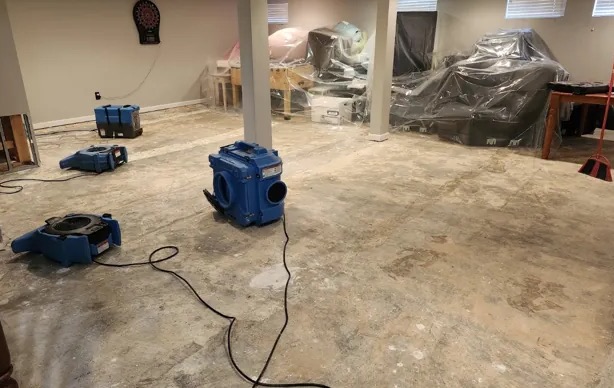
Plastic sheeting and negative air machines are installed before any removal starts.
Step 3: Contaminated Material Disposal
Damaged materials are bagged inside the containment and removed from the site.
Step 4: Cleaning and Sanitizing Surfaces
Remaining surfaces are cleaned and sanitized while air scrubbers keep running to capture spores.
Why Mold Develops in Your Home
High Indoor Humidity Levels
Indoor humidity that stays above 60 percent gives mold spores the moisture to grow.
Foundation Cracks and Seepage
Cracks in the foundation or slab let groundwater seep in and keep lower floors damp.
Condensation on Cold Surfaces
Warm, moist indoor air hitting cold walls or pipes forms condensation that keeps those surfaces damp.
Plumbing Leaks Inside Walls
A slow pipe leak inside a wall keeps the cavity damp, and mold grows there unseen.
Mold Remediation for Homes and Businesses in Lawrenceville
Residential Mold Remediation
Home mold often starts with a roof leak in the attic or a plumbing leak behind a wall. Pros remove it and keep living areas sealed off during the work.
Commercial Mold Remediation
Commercial buildings get mold from roof leaks, tenant plumbing and humidity from heavy use. Pros handle offices, stores and warehouses to industry standards.
When DIY Is Not Enough for Mold Remediation in Lawrenceville
Surface mold on tile or other hard surfaces can be cleaned with detergent and water. Mold on drywall, wood or insulation, or any patch larger than a few square feet, needs the specialists so spores are not spread.
Factors Affecting Mold Remediation Cost
Cost rises with the amount of drywall or other material removed and the repairs needed to fix the moisture source.
Demolition and Repair Scope
Removing and discarding drywall or insulation, then rebuilding, adds to the bill.
Air Quality Testing
Inspection before work and clearance testing after cleanup are usually separate line items.
Extent of Infestation
The square footage affected is the main cost driver; more area means more labor, materials and containment.
Does Insurance Cover Mold Remediation?
If a storm damages the roof and attic mold follows, that may be covered. Mold from bathroom humidity or a slow leak usually is not. Your insurer decides after reviewing the cause.
Why Local Help Matters for Mold Remediation in Lawrenceville
24/7 Emergency Response
Fast action after a leak limits mold spread, and service is available any hour in Lawrenceville.
Thorough Air Quality Testing
Air testing after cleanup can confirm spore levels are back to normal.
Health Risk Mitigation
Removing spores that trigger allergies and breathing problems is the main point of the work.
Emergency Mold Remediation Around the Clock
When mold is affecting your household's health, call (770) 501-7883 around the clock for emergency mold removal and containment in Lawrenceville.
Call Now (770) 501-7883Mold Remediation Near Lawrenceville: Areas Served
Help with mold remediation is available in Lawrenceville and surrounding places like Sugarloaf, Grayson and Sweet Water, from inspection to removal.
FAQs About Mold Remediation in Lawrenceville
Is mold air quality testing necessary after cleanup?
It is a common final step. It shows whether indoor spore levels match an outdoor sample.
What does mold inspection services involve?
A visual check, moisture mapping and often air or surface sampling to identify mold type and amount.
What are the health risks of black mold?
Black mold can trigger allergies, asthma attacks and breathing irritation, especially in children and sensitive people.
Should I attempt DIY mold in walls removal?
No. Opening a moldy wall without containment and protective gear usually spreads spores through the house.
How can I prevent mold growth after remediation?
Keep humidity down, ventilate bathrooms and attics, fix leaks quickly and use mold-resistant materials in wet areas.