Hamilton Mill, GA
Ceiling Water Damage Restoration in Hamilton Mill, GAWet Ceiling Drywall Removal & Ceiling Mold Prevention
Ceiling Water Damage Restoration in Hamilton Mill includes ceiling leak water cleanup, ceiling drying services, and roof leak ceiling water removal.
Answered 24/7
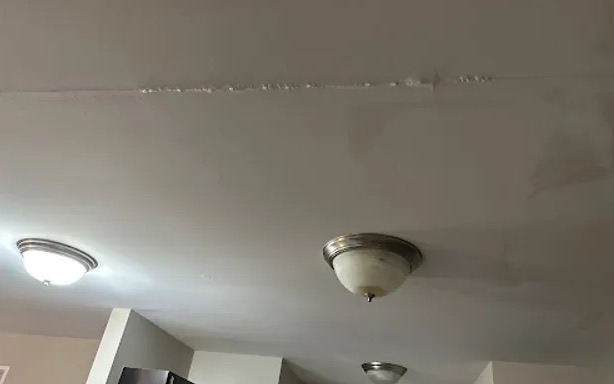
Local Ceiling Water Damage Restoration Solutions in Hamilton Mill
Ceiling water damage repair in Hamilton Mill must address both the visible water stain and the hidden saturation behind it.
In the Hamilton Mill area, ceiling water damage can escalate quickly, affecting insulation, drywall, and electrical components. Local water extraction experts remove water and dry ceilings before stains and sagging spread.
Detailed Ceiling Water Damage Restoration Process in Hamilton Mill
Wet Ceiling Drywall Removal
Persistent moisture ruins ceiling drywall, which then has to be removed. Damaged panels are taken down so the framing above can dry.
Ceiling Mold Prevention
To prevent mold on a water-damaged ceiling, every trace of moisture must be removed. Humidity and material moisture are brought back to normal.
Ceiling Leak Water Cleanup
Ceiling leak cleanup involves extracting water from both the visible surface and the hidden spaces above. Moisture meters map the damp areas.
Roof Leak Ceiling Water Removal
Local pros perform ceiling water removal by extracting moisture from drywall and framing, a critical step before any repairs can be made.
Ceiling Drying Services
The pros deploy industrial air movers and dehumidifiers to create airflow and remove moisture from the air and building materials. It prevents warping and mold.
Ceiling Water Damage Indicators
Cracking Along Ceiling Corners
Cracks where walls meet the ceiling can be caused by moisture movement. These require assessment as part of ceiling water damage repair.
Peeling Paint or Texture
Paint or popcorn texture peeling from your ceiling is a moisture sign. This requires inspection to assess the extent of water damage.
Increased Utility Bills
Unexplained spikes in your water bill can point to a hidden leak. A ceiling moisture inspection can help find the source of waste.
Condensation on Light Fixtures
Moisture collecting inside or around a ceiling light fixture is dangerous. It points to high humidity in the ceiling.
How Ceiling Water Damage Restoration Works in Hamilton Mill
Step 1: First Call and Water Containment
A 24/7 response contains the water quickly. The pros in Hamilton Mill set up containment barriers and begin extracting visible water.
Step 2: Detailed Moisture Mapping
No-touch moisture detection ceiling tools identify wet areas behind walls and above ceilings. This map guides all subsequent drying and removal efforts precisely.
Step 3: Aggressive Drying With Industrial Equipment
Industrial-grade air movers force evaporation, while dehumidifiers capture the airborne moisture. This aggressive approach is the core of professional ceiling drying services.
Step 4: Documentation for Insurance and Repair
Throughout the job, detailed logs of moisture readings and photos are kept.
Reasons for Ceiling Water Damage
Poor Attic Ventilation
Inadequate attic ventilation traps heat and moisture against the roof deck. This condensation can drip onto insulation and ceiling drywall below.
HVAC Condensation Drainage Issues
A clogged condensate drain line from an attic air handler can overflow. This constant drip causes significant ceiling water damage over time.
Roof Leaks From Storms
Damaged shingles or flashing from wind and rain allow water inside. A roof leak lets water into the ceiling.
Overflowing Bathtubs or Sinks
An accidental overflow from a second-floor bathroom can be a major incident. It needs extraction and drying.
Ceiling Water Damage Restoration for All Property Types in Hamilton Mill
Residential Ceiling Water Damage Restoration
The pros in Hamilton Mill coordinate drying, removal of damaged materials, and reconstruction. Their detailed moisture inspection report helps provide information to the insurer.
Commercial Ceiling Water Damage Restoration
The experts implement containment strategies to limit the spread, performing ceiling water damage repair with minimal disruption to other tenants. They provide clear documentation to assist with liability determinations.
Ceiling Water Damage Restoration vs. DIY: When to Call Ceiling Leak Cleanup Pros
Running the bathroom exhaust fan during showers reduces ambient humidity that contributes to mold. When active water intrusion or mold is present, ceiling mold prevention and cleanup should be handled by the pros.
Understanding Ceiling Water Damage Restoration Cost in Hamilton Mill, GA
Complexity from multi-level water travel and the type of ceiling material, such as textured drywall or popcorn, affects ceiling water damage repair pricing in Hamilton Mill. The presence of pre-existing mold or asbestos can add necessary containment steps.
Equipment Requirements
The number of air movers, dehumidifiers, and moisture meters needed for ceiling drying services scales with the size and severity of the leak.
Mold Prevention Needs
If moisture detection ceiling inspection finds elevated humidity, antimicrobial treatments and added drying for ceiling mold prevention become necessary cost components.
Cosmetic Finish Restoration
After wet ceiling drywall removal and replacement, repainting, re-texturing, and ceiling water stain removal work contribute to the final restoration cost.
Does Insurance Cover Ceiling Water Damage Restoration?
Whether ceiling water stain removal and repainting are covered can vary by policy and the extent of necessary repair. The pros itemize all actions taken, from extraction to final restoration. You must submit this documentation to your insurance company for their evaluation.
Reasons to Trust Local Pros with Your Ceiling Damage
Industry-Standard Drying Methods
Drying prevents hidden moisture and mold in the ceiling cavity and attic.
24/7 Emergency Response
Quick action on emergency ceiling water extraction limits the spread of water and minimizes the area of drywall or insulation that is ultimately ruined.
Stain Removal Expertise
Stain treatments block mineral and tannin marks so they do not bleed through new paint.
Emergency Ceiling Water Damage Restoration Available Now
Contact the experts for 24/7 emergency service at (770) 501-7883 to begin ceiling leak water removal and protect your belongings from further water damage in Hamilton Mill.
Call Now (770) 501-7883Communities Served for Ceiling Water Damage Restoration
From ceiling leak water removal to the full ceiling drying process, professional restoration is available for properties across Hamilton Mill.
- Ceiling Water Damage Restoration in Auburn
- Ceiling Water Damage Restoration in Berkeley Lake
- Ceiling Water Damage Restoration in Braselton
- Ceiling Water Damage Restoration in Brookwood
- Ceiling Water Damage Restoration in Buford
- Ceiling Water Damage Restoration in Cedar Creek
- Ceiling Water Damage Restoration in Collins Hill
- Ceiling Water Damage Restoration in Dacula
Frequently Asked Ceiling Water Damage Restoration Questions
Is ceiling moisture inspection needed after the drying equipment is removed?
Yes. A final moisture check confirms the framing and insulation are dry before repairs begin.
How long does the ceiling drying process typically take?
Drying a water damaged ceiling drywall can take 2 to 5 days, depending on material thickness, insulation saturation, humidity levels, and airflow within the ceiling cavity.
Can ceiling water damage lead to structural problems?
Prolonged wetness can weaken wooden ceiling joists and rafters, potentially leading to sagging or compromised integrity. Proper drying of these structural elements is a key part of restoration.
What is included in professional ceiling drying services?
Services include setting up high-velocity air movers to evaporate moisture, dehumidifiers to remove water vapor from the air, and continuous monitoring with meters until materials reach dry standards.
What should I do while waiting for ceiling water damage restoration pros?
If safe, place buckets under active drips, move furniture and electronics out of the area, and avoid touching sagging drywall. Do not attempt electrical repairs near the water.