Alpharetta, GA · Fulton County
Ceiling Mold Removal in Alpharetta, GACeiling Mold Testing & Ceiling Mold Remediation
Ceiling Mold Removal involves inspection, removal and cleanup for ceiling mold in Alpharetta.
Answered 24/7
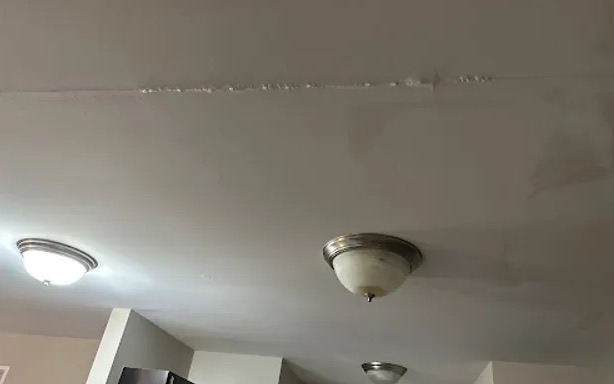
Reliable Ceiling Mold Removal in the Alpharetta Area
Addressing ceiling mold promptly in Alpharetta is key. Mold in ceiling removal cost considerations often relate to the damage extent. Delaying can lead to more extensive ceiling mold remediation needs.
Water damage ceiling mold in Alpharetta can escalate without prompt action. Local mold removal specialists perform emergency removal and cleanup. They cover Fulton County and locations like Milton, Roswell and Mountain Park. Their process involves moisture mapping.
Ceiling Mold Removal Service Options in Alpharetta
Ceiling Mold Testing
Before and after ceiling mold removal, ceiling mold testing provides objective evidence. Local mold removal specialists document results homeowners can share with insurers. This adds clarity to the remediation process.
Ceiling Mold Remediation
Ceiling mold remediation includes removal, cleaning, and restoration. The specialists in Alpharetta follow a set protocol. It involves containment, air filtration, and antimicrobial treatment.
Ceiling Mold Prevention
Ceiling mold prevention strategies focus on controlling indoor humidity and fixing leaks. The specialists recommend improvements like better ventilation or roof maintenance after ceiling mold removal in Alpharetta. These measures help keep ceilings dry.
Water Damage Ceiling Mold
Water damage ceiling mold remediation begins with structural drying. The specialists use dehumidifiers and air movers. They remove moldy materials. This dual approach creates a durable fix.
Black Mold Ceiling Removal
Removing toxic black mold from ceilings requires strict safety protocols. The specialists in Alpharetta wear protective gear and use negative air pressure to contain spores. This approach aims for thorough eradication.
How to Know You Need Ceiling Mold Removal in Alpharetta
Discolored or Stained Ceiling Tiles
Discoloration on acoustic or drop ceiling tiles is a clear sign of moisture issues and potential ceiling mold cleanup.
History of Roof or Plumbing Leaks
Past leaks from roofs or upstairs plumbing are a major cause of recurring ceiling mold problems needing expert removal.
Visible Mold Growth in Attic Spaces
Mold found in the attic on rafters or insulation often spreads to the ceiling below, requiring comprehensive remediation.
Peeling Paint or Bubbling Ceiling Texture
When paint peels or textured ceilings bubble, moisture is present behind the surface, creating an ideal environment for ceiling mold.
How Ceiling Mold Removal Works in Alpharetta
Step 1: Ceiling Mold Inspection and Assessment
The specialists begin with a detailed ceiling mold inspection, identifying the type, extent, and moisture source. This assessment guides the entire remediation plan.
Step 2: Containment and Air Filtration Setup
They establish containment barriers and use negative air machines with HEPA filters. This prevents mold spores from spreading to other home areas during removal.
Step 3: Black Mold Ceiling Removal and Cleanup
Affected ceiling materials like drywall or insulation are safely removed and discarded. All surfaces are then cleaned with antimicrobial solutions.
Step 4: Drying and Final Clearance Testing
The area is thoroughly dried using professional equipment. A final ceiling mold testing is often performed to ensure the mold levels have returned to normal.
Frequent Causes of Mold on Ceilings in Alpharetta
Leaking Windows or Improper Flashing
Water intrusion around windows or from faulty flashing can travel into wall cavities and up to the ceiling area.
Slow Leaks From Appliance Supply Lines
Dripping supply lines for washing machines or refrigerators on upper floors can saturate ceilings over a long period.
Plumbing Leaks in Upper Floor Walls
Leaking pipes inside walls or above ceilings release water slowly, often causing hidden black mold on ceiling growth.
Condensation From High Indoor Humidity
High humidity levels cause condensation to form on cooler ceiling surfaces, providing the dampness mold spores need.
Domestic and Commercial Ceiling Mold Removal in Alpharetta
Residential Ceiling Mold Removal
Household ceiling mold remediation targets common problem areas like kitchens and bedrooms. The pros assess the extent, including potential hidden black mold ceiling removal, to fully address the contamination.
Commercial Ceiling Mold Removal
Office buildings and warehouses require comprehensive mold removal services for ceiling infestations. Experts manage large-scale containment and debris removal, coordinating to keep business activities as undisturbed as possible during the project.
Ceiling Mold Removal vs. DIY: When to Call Local Specialists
Wear an N-95 mask and gloves for a tiny mold patch. Isolate the area by closing doors and covering vents. Cleaning alone does not fix the moisture source.
Ceiling Mold Removal Cost in Alpharetta, GA
The price for ceiling mold remediation reflects the inspection results, such as spore counts from testing. Required methods, ranging from surface cleaning to complete ceiling replacement, are major factors determining cost.
Emergency Service Timing
Responding to urgent ceiling mold situations outside of standard business hours may involve different rate structures for the professional service and work.
Local Disposal Regulations
Proper bagging and disposal of mold-contaminated materials according to local guidelines incur specific fees that are part of the service cost.
Type of Mold Present
Identifying black mold or other toxic varieties necessitates stricter safety protocols and specialized disposal methods, which can increase the overall project cost.
Does Insurance Cover Ceiling Mold Removal?
For water damage ceiling mold, insurers may cover remediation if the water damage is a covered claim. Coverage often excludes mold from long-term humidity. Local experts document the damage for adjuster submission.
Reasons to Select Local Specialists for Ceiling Mold Removal in Alpharetta
Comprehensive Ceiling Mold Cleanup
The process includes cleaning of adjacent surfaces and affected belongings to remove settled spores following the primary removal work.
Ceiling Mold Prevention Guidance
After removal, insights on controlling indoor humidity and ventilation can be offered to help discourage future mold growth on ceilings.
Detailed Documentation for Claims
Photos, moisture maps, and notes are compiled to document the damage for your review and potential submission to your insurance company.
Immediate Emergency Ceiling Mold Removal Response in Alpharetta
Emergency ceiling mold remediation is vital for extensive growth or in a frequently used room. For a thorough inspection and mitigation plan, contact mold removal companies via (770) 501-7883 at any hour.
Call Now (770) 501-7883Ceiling Mold Removal Service Area Including Alpharetta, GA
Each place listed below has its own page with local details.
Your Ceiling Mold Removal Questions Addressed
Can I remove ceiling mold myself with bleach?
Bleach is not recommended for porous surfaces like drywall as it only bleaches the surface and does not kill roots; improper DIY can worsen spore dispersal.
Are there health risks from mold on ceiling removal attempts?
Disturbing mold without proper containment can release a high concentration of spores into the air, potentially causing allergic reactions or respiratory issues for occupants.
What causes water damage ceiling mold to grow?
Mold grows on ceilings due to excess moisture, commonly from roof leaks, plumbing issues in upstairs bathrooms, condensation from poor attic ventilation, or lingering humidity after a spill.
What happens during a ceiling mold inspection?
An inspector visually assesses the growth, may use moisture meters to find dampness, and could recommend air or surface sampling to identify the mold type and spore concentration.
Can ceiling mold cleanup be done without removing drywall?
Surface mold on a non-porous ceiling can sometimes be cleaned, but mold growing on or inside porous drywall or plaster typically requires cutting out and replacing the affected section.