Sugar Hill, GA · Gwinnett County
Black Mold Removal from Water Damage in Sugar Hill, GAWater Damage Source Containment & Structural Drying
For black mold removal from water damage in Sugar Hill, a black mold inspection and water damage source containment start the process.
Answered 24/7
Professional Black Mold Removal from Water Damage in Sugar Hill, GA
Toxic mold removal is a health priority after water incidents in Sugar Hill. Mold spreads quickly if not handled. Local water damage remediation experts focus on containment and immediate water extraction.
For properties in Sugar Hill, timely water extraction and mold removal prevent long-term issues. Local experts serve this area, Buford, Suwanee and Flowery Branch with containment, drying, and verification.
Comprehensive Black Mold Removal from Water Damage Services in Sugar Hill
Water Damage Source Containment
Local water damage remediation experts contain the water damage source first. Barriers and negative air machines isolate the area to prevent further mold spread.
Structural Drying
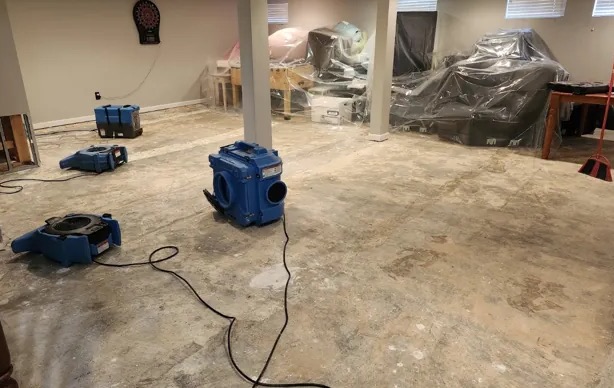
Professional-grade dehumidifiers and air movers extract moisture from the structure itself. This drying targets latent dampness in wall cavities and subfloors to deprive mold of moisture.
Contaminated Material Removal
Mold-laden drywall, insulation, and carpet are methodically removed. The process follows strict containment protocols to prevent spore dispersal during transport from the home.
Black Mold Inspection
A black mold inspection in Sugar Hill identifies moisture sources and visible growth. Specialized tools detect hidden mold, guiding the remediation plan.
Mold Spore Treatment
This treatment involves applying specialized solutions to structural surfaces and framing after mold is removed. It is a preventative measure designed to support long-term dryness and discourage mold from returning.
Symptoms Calling for Black Mold Removal from Water Damage in Sugar Hill
Recent Water Damage Events
Any past flooding, leaks, or high humidity can lead to black mold. Mold can start growing within 24-48 hours after water exposure.
Increased Allergy Symptoms
Unexplained coughing, sneezing, or itchy eyes indoors may indicate mold spores. Black mold removal services address these air quality issues.
Damp or Wet Drywall
Drywall that feels damp or soft to the touch likely contains moisture. This material can harbor black mold if not dried properly.
Condensation on Windows
Excessive condensation creates the damp environment black mold thrives in. This is a key factor in mold after water damage situations.
How Black Mold Removal from Water Damage Works in Sugar Hill
Step 1: Black Mold Inspection and Testing
The experts begin with a thorough assessment to identify all black mold growth and moisture sources. They document the extent for your records and to support any insurance claim discussions.
Step 2: Water Damage Source Containment
The affected area is sealed off with physical barriers to prevent cross-contamination. This critical step in the mold remediation process stops spores from spreading during black mold removal.
Step 3: HEPA Vacuuming and Contaminated Removal
Using HEPA-filtered equipment, the experts remove moldy porous materials like drywall and insulation. Air scrubbers run continuously to clean the air during this toxic mold removal phase.
Step 4: Antimicrobial Treatment and Drying
All remaining surfaces receive an antimicrobial application to inhibit regrowth. Industrial dehumidifiers and air movers then complete the structural drying to prevent future mold after water damage.
Why Black Mold Develops After Water Incidents
Flooding from External Sources
Heavy rainfall or overflowing bodies of water can flood a property. This major water intrusion demands comprehensive water damage restoration services.
Foundation Cracks and Seepage
Cracks in your foundation allow groundwater to enter the structure. This constant moisture source makes mold prevention after water damage challenging.
HVAC System Condensation Issues
Clogged drain lines or faulty AC units can drip water inside. This cool, damp environment inside ductwork spreads mold spores throughout the home.
Gutter Clogs and Downspout Problems
Clogged gutters cause water to overflow and pool near the foundation. This water can seep into basements or crawl spaces, inviting mold.
Complete Black Mold Removal from Water Damage for Sugar Hill Residents and Companies
Residential Black Mold Removal from Water Damage
Black mold removal in homes protects health and structure. The experts address contaminated living spaces, bedrooms, and bathrooms using IICRC-standard methods for safety.
Commercial Black Mold Removal from Water Damage
The experts in Sugar Hill address black mold from water damage for businesses. Their work in offices and retail focuses on minimizing downtime through thorough containment.
Black Mold Removal from Water Damage vs. DIY: When to Call Local Experts
For a small leak, immediately stop the source and remove standing water. If drywall or subflooring is soaked, contact the experts in Sugar Hill to help prevent mold.
Evaluating Black Mold Removal from Water Damage Cost Considerations
The investment in black mold removal services in Sugar Hill reflects a customized plan. Cost variables include discarded material amounts and the scale of drying equipment deployment.
Required Drying Time
The duration needed for structural drying and dehumidification to reach target moisture levels affects equipment rental periods and energy consumption, influencing final cost.
Affected Materials
Porous materials like drywall and insulation often require removal, while non-porous surfaces may only need cleaning, making material type a key cost variable in mold removal.
Access and Location
Difficult-to-reach areas like crawlspaces or tight attics increase labor time and complexity for the pros, raising the project's cost estimate.
Does Insurance Cover Black Mold Removal from Water Damage?
Insurance may help if the water event is a covered loss. The pros document damage like moisture mapping for the claim file. Confirm coverage with the insurer.
The Value of Local Experts for Black Mold Removal from Water Damage in Sugar Hill
HEPA Filtration Air Scrubbing
Continuous air scrubbing with HEPA filters captures airborne mold spores during work, protecting air quality throughout the remediation process.
Detailed Documentation for Claims
Systematic photo and moisture log documentation creates a clear record for your potential insurance claim review process.
Comprehensive Moisture Detection
Using professional-grade meters and sensors, pros identify all hidden moisture to ensure complete structural drying and dehumidification.
Emergency Black Mold Removal in Sugar Hill, GA
Attempting to handle significant black mold personally is not advised. For professional emergency mold removal in Sugar Hill, call (770) 501-7883 any time. The specialists begin containment.
Call Now (770) 501-7883Black Mold Removal from Water Damage Availability in the Sugar Hill Region
The places below are also served, and each one has its own page.
- Black Mold Removal from Water Damage in Buford
- Black Mold Removal from Water Damage in Suwanee
- Black Mold Removal from Water Damage in Flowery Branch
- Black Mold Removal from Water Damage in Duluth
- Black Mold Removal from Water Damage in Auburn
- Black Mold Removal from Water Damage in Berkeley Lake
- Black Mold Removal from Water Damage in Johns Creek
- Black Mold Removal from Water Damage in Lilburn
Black Mold Removal from Water Damage FAQ for Sugar Hill Homeowners
What is the goal of water damage mold remediation?
The goal is to return the property to a safe, dry, 'pre-loss condition.' This systematic process addresses both visible mold and the hidden moisture causing it.
How quickly should I address mold after water damage?
Mold can grow within 24-48 hours in damp conditions. Immediate water extraction and professional drying are crucial. This prevents or minimizes mold growth and extensive remediation.
What is the purpose of post-remediation verification testing?
This independent testing occurs after cleanup. It confirms that mold levels inside match normal outdoor levels. This verifies the remediation was successful and the space is safe.
Why is containment important during toxic mold removal?
Containment uses physical barriers and negative air pressure with HEPA filtration. This prevents mold spores from spreading to unaffected areas during the contaminated material removal and cleaning process.
Is HEPA vacuuming and air scrubbing necessary for all mold jobs?
HEPA filtration is a standard for professional mold cleanup services. It captures microscopic spores during work and scrubs the air clean both during and after remediation.