Acworth, GA · Cobb County
Black Mold Remediation & Removal in Acworth, GAAntimicrobial Treatment For Mold Remediation & HEPA Vacuuming For Mold Spores
Proper black mold remediation & removal in Acworth demands mold containment procedures, post remediation verification, and moisture source correction.
Answered 24/7
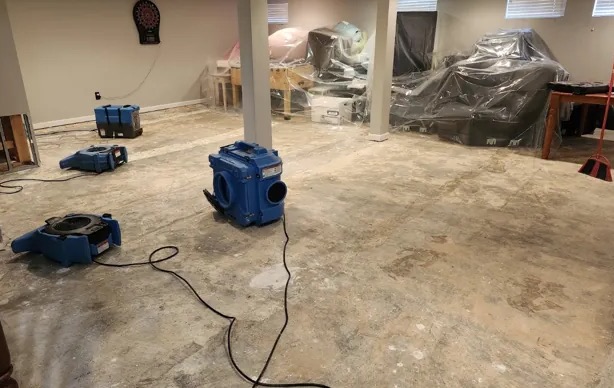
Professional Black Mold Remediation & Removal in Acworth, GA
In Acworth, concerns about mold remediation cost should not delay necessary action. Professional mold removal services use effective methods like air scrubber installation and antimicrobial applications, which can prevent more expensive repairs later.
Black mold remediation and removal for properties in Acworth and nearby places like Kennesaw, Woodstock and Marietta addresses localized moisture issues that foster toxic mold. The process includes HEPA vacuuming and antimicrobial treatment.
Comprehensive Black Mold Remediation & Removal for Acworth
Antimicrobial Treatment for Mold Remediation
For homes in Acworth, antimicrobial application by mold removal experts is a proactive measure. This treatment is applied to cleaned surfaces to help guard against subsequent spore colonization.
HEPA Vacuuming for Mold Spores
After material removal, HEPA vacuuming is performed on all surfaces within the contained area. It removes settled spores and fine dust after demolition.
Mold-Contaminated Material Removal
The removal of mold-infested building materials is often necessary when growth is extensive. It is done inside the containment zone.
Post Remediation Verification
Verification checks the work after remediation. It confirms the area is visibly clean and the air is fit to reoccupy.
Mold Containment Procedures
Mold containment procedures are critical to prevent spores from spreading during remediation.
How to Know You Need Black Mold Remediation & Removal in Acworth
Visible Black or Green Mold
Patches of black, green, or gray fuzzy mold on walls, ceilings, or baseboards are a clear sign of an active mold problem.
Persistent Musty Odors
A strong, earthy smell that lingers in certain rooms or areas often points to hidden mold growth behind walls or under flooring.
Black Dust Around Vents
Dark dust collecting around air supply vents can indicate mold spores are being distributed through your HVAC system.
Mold Recurrence After Cleaning
If mold returns quickly after you clean it, the moisture source was never fixed.
How Black Mold Remediation & Removal Works in Acworth
Step 1: Source Identification and Assessment
Local black mold remediation pros find the moisture source and test the air for spore counts.
Step 2: Setting Up Critical Containment
To protect unaffected areas, pros implement strict mold containment procedures, which often includes air scrubber installation for mold remediation to clean the air.
Step 3: Toxic Mold Removal Process
Ruined materials are removed carefully. All surfaces are then cleaned with HEPA vacuums and treated with antimicrobial solutions.
Step 4: Final Clearance and Prevention
A post-remediation check, often with air testing, confirms the cleanup worked. Pros also advise on long-term mold prevention strategies, focusing on controlling indoor humidity and moisture.
Why Black Mold Remediation Becomes Necessary
Poor Bathroom Ventilation
Inadequate exhaust fans allow steam from showers to saturate walls and ceilings, creating a perfect habitat for black mold growth.
High Indoor Humidity Levels
Consistently high humidity from daily activities or a faulty AC unit provides the constant moisture mold spores need to thrive and spread.
Clogged or Damaged Gutters
Gutters that overflow or leak direct water against the siding and foundation, leading to saturated walls and structural mold problems.
Condensation on Cold Surfaces
Warm, moist air contacting cold pipes, windows, or exterior walls causes condensation, which soaks into materials and feeds mold growth.
Home and Business Black Mold Remediation & Removal in Acworth, GA
Residential Black Mold Remediation & Removal
Bathrooms and kitchens are high-risk residential areas for mold due to steam and leaks. The mold remediation process here focuses on moisture source correction and antimicrobial treatment to prevent regrowth.
Commercial Black Mold Remediation & Removal
Restaurants and fitness centers face unique mold risks from constant humidity and water use. Specialists in mold damage restoration address these environments with aggressive drying and material removal protocols.
Black Mold Remediation & Removal Professionals vs. DIY Attempts in Acworth
After a small, contained water spill, promptly drying the area within 24-48 hours can prevent mold from taking hold. For any water damage that has persisted longer or affected building materials, the mold remediation process requires professional-grade drying and antimicrobial treatment.
What Affects Black Mold Remediation & Removal Cost in Acworth, GA
Labor and material costs for mold remediation are shaped by the specific antimicrobial treatments required, the duration of air scrubber operation, and the extent of demolition for mold-contaminated material removal.
Containment Complexity
Sealing off the work area with barriers to prevent spore spread during mold removal increases setup time and material needs.
Accessibility Challenges
Mold in tight crawl spaces, behind finished walls, or in high attics requires more labor-intensive demolition and drying efforts.
Extent of Contamination
The square footage of mold growth and whether it's surface-level or deep within structural materials dictates labor and material scope.
Does Insurance Cover Black Mold Remediation & Removal?
Does insurance cover black mold cleanup? It might, if the mold resulted from a covered event like appliance overflow or storm-related intrusion. Persistent leaks excluded from coverage usually will not trigger benefits. Always verify your specific coverage and any sub-limits with your insurance company.
The Value of Local Pros for Black Mold Remediation & Removal
Comprehensive Mold Inspection
An assessment using moisture meters and visual checks identifies all affected areas, including hidden mold within wall cavities.
Post Remediation Verification Testing
Final air and surface sampling provides objective confirmation that the mold abatement process achieved clearance standards.
24/7 Emergency Mold Response
An assessment of visible black mold examines moisture sources and affected materials to guide containment and removal.
Urgent Black Mold Remediation & Removal Available in Acworth
Discover suspicious black mold growth? Spores can spread quickly. For assessment and containment by the pros, call (770) 501-7883 for 24/7 emergency service in Acworth.
Call Now (770) 501-7883Black Mold Remediation & Removal Throughout the Acworth Region
The places below are also served, and each one has its own page.
- Black Mold Remediation & Removal in Kennesaw
- Black Mold Remediation & Removal in Woodstock
- Black Mold Remediation & Removal in Marietta
- Black Mold Remediation & Removal in Smyrna
- Black Mold Remediation & Removal in College Park
- Black Mold Remediation & Removal in East Point
- Black Mold Remediation & Removal in Atlanta
- Black Mold Remediation & Removal in Covington
Black Mold Remediation & Removal FAQs
What are the signs of a black mold problem?
Visible black or dark greenish mold, a persistent musty odor, and unexplained allergic symptoms or health issues among occupants can indicate a mold issue.
Can black mold in walls be completely removed?
Yes, by removing mold-infested drywall or sheathing, cleaning and treating the remaining framing with antimicrobials, and correcting the moisture source to prevent recurrence.
Is mold testing necessary before remediation?
A professional mold inspection identifies the type and extent of mold, which guides the remediation plan. Post-remediation verification testing confirms the cleanup was successful.
How does HEPA vacuuming for mold spores work?
After material removal, all remaining surfaces are vacuumed with HEPA-filtered equipment to capture any lingering spores and fine debris from the affected area.
What is post remediation verification?
It is a final step where independent air and surface samples are taken after cleanup to scientifically verify that mold spore counts are within acceptable limits.