Lawrenceville Square, GA
Attic Water Damage Restoration in Lawrenceville Square, GAAttic Leak Water Cleanup & Roof Leak Water Removal
Attic Water Damage Restoration in Lawrenceville Square runs from roof leak water removal and attic leak water cleanup to attic drying services.
Answered 24/7
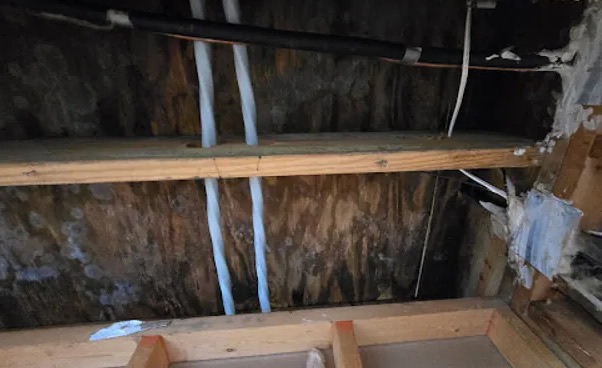
Professional Attic Water Damage Restoration in Lawrenceville Square, GA
After a storm in Lawrenceville Square, water can come into the attic through lifted shingles, damaged vents or a hole from a fallen limb. Getting it out quickly keeps the ceiling below intact.
Attic Water Damage Restoration Services in Lawrenceville Square
Attic Leak Water Cleanup
Water that collected on attic decking, joists and the top of the ceiling drywall is removed, and wet debris is cleared so the area can dry.
Roof Leak Water Removal
A roof leak often drips in one spot but spreads along rafters and decking. The pros follow the water path to find every wet area.
Wet Attic Insulation Removal
Insulation that stayed wet for days is removed rather than dried, since it rarely recovers and keeps the ceiling drywall damp.
Emergency Attic Water Extraction
Water in the attic quickly becomes a ceiling problem. Fast extraction keeps the ceiling drywall below from sagging and falling.
Attic Moisture Inspection
An inspection shows how far the water spread from the leak point, which decides what is dried in place and what is removed.
Warning Signs You Need Attic Water Damage Restoration
Musty Odors in Home
A musty or damp smell on the upper floor can point to wet insulation or wood in the attic.
Dripping Sounds From Ceiling
Dripping or tapping sounds above the ceiling, especially during rain, mean water is getting in.
Visible Mold in Attic
Dark spots on roof decking or rafters mean the wood has stayed damp for some time.
High Energy Bills
Wet insulation loses its insulating value, so heating and cooling bills can rise after a leak.
How Attic Water Damage Restoration Works in Lawrenceville Square
Step 1: Initial Assessment and Water Removal
The pros find the source, check safety in the attic and remove standing water and wet debris.
Step 2: Wet Attic Insulation Removal
Soaked batts or blown-in insulation are bagged and removed so the wood and drywall can dry.
Step 3: Targeted Attic Drying Process
Drying equipment is aimed at the wet framing and ceiling, and moved as areas reach normal readings.
Step 4: Sanitization and Mold Prevention
Once dry, decking and rafters that stayed wet can be cleaned and treated with an antimicrobial.
What Causes Attic Water Damage in Lawrenceville Square?
Burst or Leaking Plumbing Pipes
Supply lines and water heaters in the attic can leak or burst directly onto the ceiling.
Roof Leaks and Damaged Shingles
Missing, cracked or lifted shingles let rain reach the roof deck and drip into the attic.
Clogged or Damaged Gutters
Clogged gutters overflow at the roof edge, pushing water under shingles and into the soffits.
Overflow From Bathroom Exhaust Fans
Bathroom fans that vent into the attic, or have disconnected ducts, release moisture onto the decking.
Residential and Commercial Attic Water Damage Restoration in Lawrenceville Square
Residential Attic Water Damage Restoration
For townhomes and condos, an attic leak can cross into a neighbor's space. Fast drying and clear records help sort out repairs with the association.
Commercial Attic Water Damage Restoration
Property managers get photos and readings for each affected unit or suite, which simplifies insurance claims and roof repair planning.
When Attic Water Removal Requires Local Pros
Never step between attic joists, since the ceiling drywall will not hold your weight. If water is pooling up there, call (770) 501-7883 instead of trying to reach it yourself.
Factors Affecting Attic Water Damage Restoration Cost in Lawrenceville Square
The cost of attic water damage restoration in Lawrenceville Square depends on how much of the attic got wet, whether insulation and ceiling drywall must come out, and how long drying takes.
Affected Attic Materials
Wet insulation, decking and ceiling drywall that must be removed add labor and disposal costs.
Duration Before Response
A leak found right away costs less to fix than one that soaked the attic for weeks.
Type of Water Involved
Clean rainwater is simpler to handle than water from a drain or a contaminated source.
Does Insurance Cover Attic Water Damage Restoration?
Coverage for attic water damage restoration depends on the cause of the leak and your policy terms. The pros document the damage and drying, and your insurer decides what is covered.
Selecting Local Pros for Attic Water Damage Restoration in Lawrenceville Square, GA
Advanced Moisture Detection
Moisture meters and thermal cameras find wet insulation, wood and drywall that look dry.
Mold Prevention Focus
Fast drying of wood framing is the main way to limit microbial growth after a leak.
Industry Drying Standards
Drying follows industry water damage standards, with readings taken at each visit.
Round-the-Clock Attic Water Damage Restoration in Lawrenceville Square
A wet attic soaks the ceiling below within hours. Call (770) 501-7883 for attic water damage restoration in Lawrenceville Square at any time of the day or night.
Call Now (770) 501-7883Local Attic Water Damage Restoration Coverage Area
Help with attic water damage restoration is available across Lawrenceville Square, including attic leak water cleanup and wet attic insulation removal.
- Attic Water Damage Restoration in Acworth
- Attic Water Damage Restoration in Alpharetta
- Attic Water Damage Restoration in Atlanta
- Attic Water Damage Restoration in Auburn
- Attic Water Damage Restoration in Belvedere Park
- Attic Water Damage Restoration in Berkeley Lake
- Attic Water Damage Restoration in Braselton
- Attic Water Damage Restoration in Brookhaven
Frequently Asked Attic Water Damage Restoration Questions
How long does the attic drying process take?
Often several days, depending on how wet the wood is, the attic temperature and how much insulation was removed.
How is attic water damage documented?
With photos of the leak point and damage, moisture readings, a list of removed materials and daily drying logs.
What is structural drying for an attic?
Drying the rafters, joists and roof decking with directed airflow and dehumidifiers until moisture readings return to normal.
What are common signs of poor attic ventilation?
Damp or dark roof decking, rusted nails, musty smells and condensation on the underside of the roof.
What equipment is used for attic water removal?
Wet vacs, air movers, dehumidifiers, moisture meters and thermal cameras, plus bags and HEPA vacuums for insulation removal.