Marietta, GA · Cobb County
Mold Structural Damage Restoration in Marietta, GASubfloor Mold Remediation & Post-Remediation Structural Drying
For Mold Structural Damage Restoration in Marietta, key steps are HVAC duct mold cleaning, post-remediation structural drying, and mold infested drywall removal.
Answered 24/7
Mold Structural Damage Restoration Experts Serving Marietta
In Marietta, leaks and floods can let mold grow inside walls and under floors. Early intervention limits the scope of required repairs.
In Marietta and nearby communities like Smyrna, Kennesaw and Sandy Springs, moldy drywall and ducts must be removed or cleaned. Local structural damage restoration pros handle these tasks. The pros in Marietta remove only what cannot be saved and clean or restore the rest whenever practical.
Comprehensive Mold Structural Damage Restoration in Marietta
Subfloor Mold Remediation
The pros locate the source of subfloor mold. They remove damaged plywood, treat the joists below and dry the area.
Post-Remediation Structural Drying
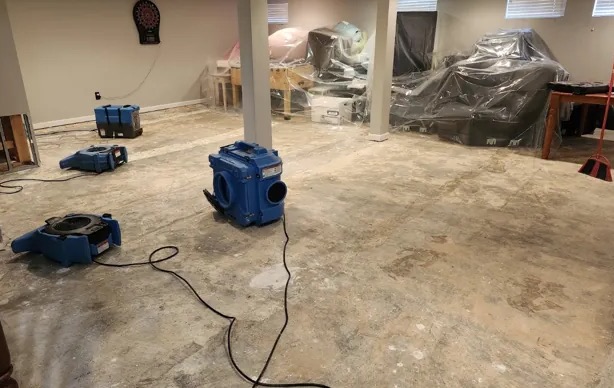
The pros use industrial air movers after mold removal. They bring wood and concrete moisture levels down to normal to prevent regrowth.
HVAC Duct Mold Cleaning
In Marietta, HVAC systems can harbor mold, especially after water damage. The pros offer duct cleaning services to remove this contamination at its source, helping you breathe easier.
Mold Infested Drywall Removal
Mold growth on drywall signals that moisture has penetrated the material. The removal process involves precise cutting, bagging the debris onsite, and thorough cleaning of the adjacent surfaces. The mold is removed, not just covered up.
Mold Damaged Flooring Removal
Mold-damaged flooring removal is more than a demolition job. It involves identifying the moisture pathway, protecting unaffected areas, and preparing a clean substrate for whatever new flooring you choose.
Signs of Mold Structural Damage
Peeling Paint or Wallpaper
Adhesive failure and paint blistering are common signs of moisture and mold behind the surface.
Recent Water Damage Stains
Discolored ceilings or walls from past leaks can create the perfect environment for mold.
Cracking or Splitting Wood Joints
As mold weakens structural wood, joints and supports may start to show physical stress cracks.
Condensation on Windows or Pipes
Constant high humidity from condensation promotes mold growth on nearby structural materials and insulation.
How Mold Structural Damage Restoration Works in Marietta
Step 1: Emergency Response and Evaluation
Upon quick action, the specialists assess the scope of structural damage and plan the mold damage restoration process.
Step 2: Active Mold Growth Removal
Pros physically remove all visible mold colonies and the porous materials they grow on, such as during mold contaminated insulation removal.
Step 3: Antimicrobial Application and Treatment
After removal, approved antimicrobials are applied to remaining structural surfaces to inhibit any residual mold spores from reactivating.
Step 4: Air Quality Clearance Testing
Air samples may be taken afterward to confirm spore counts are safe.
What Causes Mold Structural Damage
High Indoor Humidity Levels
Consistent humidity above 60 percent allows mold spores on surfaces to germinate and colonize materials.
Chronic Plumbing Leaks
Slow drips inside walls or under floors provide constant moisture, leading to extensive structural mold damage over time.
Roof Leaks Into Attics
Water intrusion from damaged shingles or flashing soaks insulation and wood, creating ideal mold growth conditions.
Condensation in HVAC Ducts
Temperature differences in ductwork can create condensation, leading to mold growth inside the air distribution system.
Both Residential and Commercial Mold Structural Damage Restoration in Marietta
Residential Mold Structural Damage Restoration
Residential mold cleanup often involves delicate materials like plaster and historic wood. The specialists remove drywall and repair the structure while keeping the home's character.
Commercial Mold Structural Damage Restoration
In commercial settings, mold can spread quickly through shared HVAC systems. The experts clean ducts and dry the structure so air circulates safely.
Mold Structural Damage Restoration vs. DIY: When to Call Local Pros
If a musty smell suggests hidden mold, a homeowner can avoid the area and limit airflow by closing doors to contain spores temporarily. For safe black mold removal, schedule professional testing to find the full extent of the damage.
Cost Considerations for Mold Structural Damage Restoration in Marietta
Labor for drywall removal or subfloor treatment shapes the scope in Marietta. The amount of material requiring treatment or replacement is another primary factor in the project's requirements.
Structural Drying
Post-remediation structural drying duration and the number of air movers or dehumidifiers needed influence the overall timeline and cost.
Extent of Damage
The square footage of mold-compromised structural materials, from a small section to an entire wall system, dictates labor and material needs.
Material Type
Costs differ between treating porous wood studs versus non-porous materials, as each requires specific mold removal and restoration approaches.
Does Insurance Cover Mold Structural Damage Restoration?
A homeowners policy may provide for mold structural damage restoration if the mold is a direct result of a covered loss. The role of the pros is to accurately document the extent of damage with photos and moisture readings for the property owner's records. All final determinations about payment for structural repair are made by the insurer.
Benefits of Local Pros for Mold Structural Damage Restoration
Thorough Drying Protocols
Post-remediation structural drying uses industrial equipment to remove residual moisture from rebuilt cavities and materials.
Post-Remediation Verification
A final check confirms spore counts are acceptable after drying and repairs.
Comprehensive Mold Removal
The process addresses both visible mold and hidden spores in materials like drywall, insulation, and subfloors.
24/7 Emergency Mold Structural Damage Restoration Response in Marietta
Heavy mold on beams or subflooring needs prompt attention before the structure weakens. Call (770) 501-7883 for emergency structural damage restoration service, which is available around the clock for properties in Marietta.
Call Now (770) 501-7883Mold Structural Damage Restoration in Marietta and Other Areas Served
The places below are also served, and each one has its own page.
- Mold Structural Damage Restoration in Smyrna
- Mold Structural Damage Restoration in Kennesaw
- Mold Structural Damage Restoration in Sandy Springs
- Mold Structural Damage Restoration in Woodstock
- Mold Structural Damage Restoration in Acworth
- Mold Structural Damage Restoration in East Point
- Mold Structural Damage Restoration in College Park
- Mold Structural Damage Restoration in Atlanta
FAQ on Mold Structural Damage Restoration in Marietta
Why is structural drying a separate phase after mold removal?
Drying removes moisture left from the leak or the remediation, which prevents mold from coming back.
Is mold infested drywall removal always necessary?
Drywall is porous and typically cannot be salvaged once mold is inside. Removal and replacement are standard to eliminate the mold reservoir and allow for structural drying.
What is involved in mold structural damage restoration?
It includes assessment, containment, removal of moldy materials, treatment of the remaining structure, drying and final testing.
How is mold and mildew removal from structural elements different?
Mildew is surface-level and can often be cleaned. Deep structural mold gets into materials, so those materials must be removed.
Does mold testing happen before and after restoration?
Pre-testing can identify spore types and levels. Testing after remediation is standard to confirm cleanup and drying worked.