College Park, GA · Fulton County
Multi-Family Water Damage Restoration in College Park, GAApartment Mold Prevention & Condo Water Damage Cleanup
Multi-Family Water Damage Restoration in College Park covers apartment water extraction, emergency water removal, and multi-family property drying.
Answered 24/7
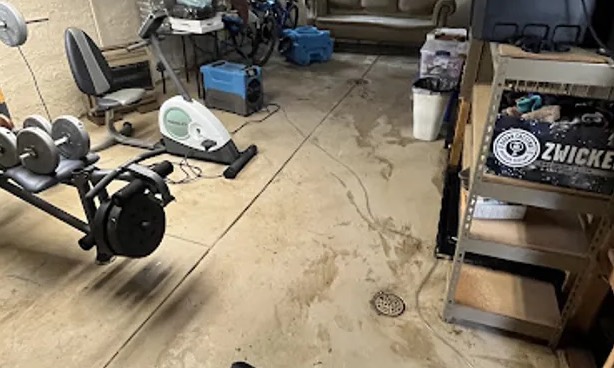
Multi-Family Water Damage Restoration Solutions in College Park, Georgia
Carpet water damage restoration aims to save flooring when possible, which can be more economical than full replacement. In College Park apartment buildings, carpets in hallways and units are frequently affected.
For carpet water damage restoration in apartment common areas, specialized drying techniques are used. In College Park, pros assess whether cleaning and drying are viable or if replacement is needed.
Complete Multi-Family Water Damage Restoration Solutions for College Park
Apartment Mold Prevention
To prevent mold, every water incident requires drying of drywall, insulation and framing. Water damage experts create conditions that do not support mold colonization.
Condo Water Damage Cleanup
Condo water damage cleanup involves extracting water, disinfecting affected surfaces and addressing moisture in shared walls and utility chases. Proper cleanup prevents cross-contamination and preserves living conditions.
Wet Drywall Removal
Wet drywall removal is necessary when water saturates wall cavities, leading to swelling and mold risk. Restoration pros remove compromised drywall to allow proper drying.
Carpet Water Damage Restoration
Carpet water damage restoration in multi-family buildings focuses on hallways and unit floor coverings. The process may involve extraction, pad removal, cleaning and drying.
Multi-Unit Flood Drying
Multi-unit flood drying deploys commercial-grade dehumidifiers and air movers to address humidity absorbed by building materials.
When to Call for Multi-Family Water Damage Restoration in College Park
Increased Humidity in Units
A clammy feeling in apartments after a leak means the units were not fully dried.
Malfunctioning Electrical Outlets
Dead or sparking outlets near wet areas are a serious hazard. Keep people away and shut off power to that circuit.
Buckling or Warped Flooring
Carpets, laminate, or hardwood floors that are lifting or cupping are classic signs of water damage in apartment buildings.
Musty Odors in Common Areas
Persistent damp smells in hallways or lobbies mean moisture is hidden somewhere in the building.
How Multi-Family Water Damage Restoration Works in College Park
Step 1: Initial Inspection and Moisture Mapping
Using thermal imaging and moisture meters, water extraction experts map all affected areas, even behind walls, to guide the entire restoration.
Step 2: Targeted Water Extraction and Content Management
The focus is on extracting water from specific areas like unit kitchens and bathrooms while moving and protecting residents' belongings.
Step 3: Carpet Water Damage Restoration and Drying
Specialized techniques are used to clean, disinfect, and dry carpets and padding in units and hallways, salvaging materials where possible.
Step 4: Proactive Apartment Mold Prevention Treatments
After drying, surfaces that stayed wet are treated with an antimicrobial to limit odor and mold before repairs begin.
Frequent Sources of Multi-Family Water Damage in College Park
Sewer Line Backups and Overflows
Blockages in main sewer lines can force contaminated water back into lower-level units, creating a severe health hazard.
Appliance Malfunctions and Overflows
Faulty washing machines, water heaters, or dishwashers in individual units can flood multiple floors.
Failed Bathtub or Shower Seals
Worn caulking and grout let water into walls and subfloors in bathrooms and kitchens.
Burst or Leaking Supply Lines
Failed pipes behind walls or under sinks are a leading cause of water damage in apartment buildings, and the water often reaches the unit below.
Complete Multi-Family Water Damage Restoration for College Park Properties
Residential Multi-Family Water Damage Restoration
In residential rental properties, the pros manage emergencies like burst pipes affecting multiple families. Their work includes apartment water damage cleanup and carpet water damage restoration in common areas.
Commercial Multi-Family Water Damage Restoration
For mixed-use developments, the experts handle floods that impact both retail shops and residential units above. Quick action limits liability and preserves property value for owners.
Professional Multi-Family Water Damage Restoration or DIY Repair in College Park
Telling other residents or tenants about the restoration schedule helps the work go smoothly. You can also arrange access to units so the pros can reach every wet area.
Multi-Family Water Damage Restoration Cost in College Park, GA
The cost for multi-family water damage restoration in College Park is shaped by the scale of the water intrusion, the number of affected units, and the required drying time.
Emergency Service Timing
A 24/7 emergency water removal call typically involves a different rate structure than a scheduled service during standard business hours.
Carpet Restoration Scope
Carpet water damage restoration can range from simple drying to complete removal and replacement, depending on pad saturation and contamination levels.
Affected Unit Count
One flooded apartment costs far less than water that spread through several units, which need more equipment and labor.
Does Insurance Cover Multi-Family Water Damage Restoration?
Coverage for drywall removal and drying depends on the policy's exclusions and limits. The experts in College Park generate a clear, itemized record of all damage and services performed.
Why Choose Local Pros for Multi-Family Water Damage Restoration in College Park
Structural Drying Knowledge
Understanding multi-family building construction allows for strategic drying plan placement to address hidden moisture and protect structural integrity.
Containment Protocols
To protect unaffected apartments, the pros set up containment barriers, controlling dust and moisture migration during wet drywall removal and drying.
Advanced Multi-Unit Drying
Commercial equipment reaches water in wall cavities and between units, where household fans cannot dry it.
Emergency Multi-Family Water Damage Restoration Response in College Park, GA
For wet drywall removal and urgent drying after a flood in apartments, immediate action limits secondary damage. Get emergency help from the pros by calling (770) 501-7883 for 24/7 service in College Park.
Call Now (770) 501-7883Multi-Family Water Damage Restoration Service Area Including College Park
Other places served are listed below, each with its own page.
- Multi-Family Water Damage Restoration in East Point
- Multi-Family Water Damage Restoration in Atlanta
- Multi-Family Water Damage Restoration in Panthersville
- Multi-Family Water Damage Restoration in Decatur
- Multi-Family Water Damage Restoration in Kennesaw
- Multi-Family Water Damage Restoration in Marietta
- Multi-Family Water Damage Restoration in Woodstock
- Multi-Family Water Damage Restoration in Smyrna
Multi-Family Water Damage Restoration FAQs
What happens during the apartment water damage cleanup process?
The process involves water extraction, removing damaged materials like wet drywall, placing drying equipment, monitoring moisture levels, and cleaning salvageable surfaces and contents.
How is emergency water removal different in multi-unit buildings?
It requires coordinated access, potential containment to protect unaffected units, and often larger-scale extraction equipment to manage higher water volumes from common sources.
What is the typical response time for water damage in apartment buildings?
The pros offer a 24/7 emergency response for water extraction and drying initiation to minimize structural damage and prevent mold growth in multi-unit properties.
What are the signs that apartment water extraction is needed?
Standing water, damp walls or floors, a musty odor or water stains all mean extraction should start right away.
How is condo water damage cleanup handled when shared walls are involved?
The pros use techniques to dry within shared wall cavities, a key aspect of multi-unit water damage restoration to prevent moisture migration to adjacent units.