Gainesville, GA · Hall County
Mold Remediation Services in Gainesville, GABlack Mold Remediation & Crawl Space Mold Abatement
Mold Remediation Services in Gainesville covers crawl space mold abatement, attic mold removal and bathroom mold cleanup.
Answered 24/7
Local Mold Remediation Services in Gainesville, Georgia
A musty smell, dark spots on drywall or stains around a window are the usual first signs of mold in Gainesville homes. What you see is often only part of it.
Homes and businesses in Gainesville and nearby Flowery Branch, Braselton and Hoschton can get mold inspection, containment and removal from local mold removal experts. Help is available at (770) 501-7883 day or night.
What Mold Remediation Services Cover in Gainesville, GA
Black Mold Remediation
Dark mold on drywall or wood is handled the same way as any large mold patch: the area is sealed off, damaged material is removed and the framing behind it is cleaned.
Crawl Space Mold Abatement
A musty smell inside the house can start in the crawl space. Affected joists are cleaned, damaged insulation is removed and moisture problems are noted for repair.
Mold Odor Elimination
If a musty smell lingers after cleanup, the pros look for remaining moisture or mold in walls, carpet or ducts rather than masking it.
Post-Flood Mold Remediation
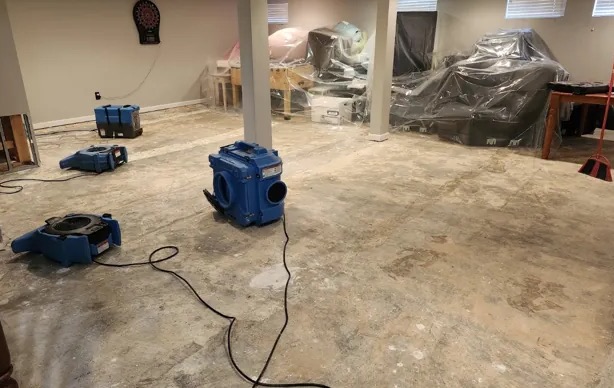
Mold can start within a day or two after flooding if materials stay wet. The pros remove soaked drywall and flooring, clean the framing and dry the structure.
Air Duct Mold Cleaning
A musty smell when the air turns on can point to mold in ducts or the air handler. The pros inspect, clean the affected sections and check the drain pan and coil area.
Signs of Mold Damage in Gainesville Homes
Musty Smell That Will Not Go Away
A damp, earthy smell often means mold is growing somewhere out of sight, such as inside a wall, under flooring or in ductwork.
Visible Mold on Walls or Ceilings
Black, green or gray spots on drywall, ceilings or trim are visible mold. Larger patches usually mean more is hidden behind the surface.
Condensation on Windows
Heavy condensation that runs down windows and wets the sills can lead to mold on frames, sills and nearby walls.
Warped Floors or Swollen Trim
Wood floors that cup and trim that swells have absorbed moisture. Mold can grow underneath before anything is visible.
How Mold Remediation Services Work in Gainesville
Step 1: Mold Inspection and Testing
An inspection maps where the mold is. Testing may be suggested when mold is suspected but not visible.
Step 2: Protecting the Rest of the Home
Doors and vents near the work area are sealed and air filtration is set up before any removal.
Step 3: Removing Moldy Materials
Porous materials with mold are removed. Hard surfaces such as framing are cleaned rather than replaced.
Step 4: Drying the Structure
Dehumidifiers dry the area so mold does not regrow before walls and floors are rebuilt.
Why Mold Grows in Gainesville Homes
Basement Seepage
Water seeping through foundation cracks keeps basement walls and floors damp, which leads to mold on drywall, framing and stored boxes.
Poor Bathroom Ventilation
Without a working exhaust fan, shower steam settles on ceilings and walls. Over time, mold grows on paint, grout and caulk.
Window and Door Leaks
Failed seals around windows and doors let rain into the wall cavity, where mold grows on framing and the back of the drywall.
High Indoor Humidity
When indoor humidity stays high, moisture collects on cool surfaces like windows, closet walls and corners, and mold follows.
Residential and Commercial Mold Remediation Services in Gainesville
Residential Mold Remediation Services
Homeowners get an inspection, containment of the moldy area, removal of damaged drywall or flooring and cleaning of the framing behind it.
Commercial Mold Remediation Services
Commercial buildings get the same process at a larger scale, with containment sized to the space and air filtration to protect nearby areas.
DIY Mold Removal Risks in Gainesville
Running a dehumidifier in a damp basement and keeping gutters clear are good DIY steps. Mold already on basement walls or framing should be removed by local mold removal experts.
Mold Removal Cost Factors
Most of the cost comes from containment, removal of moldy drywall or insulation, cleaning and drying. Rebuilding is usually priced separately.
Materials Affected
Drywall, insulation and carpet with mold are removed and replaced, while framing and hard surfaces can usually be cleaned.
Containment Needed
Larger jobs need plastic sheeting, negative air machines and air scrubbers, which add setup time and equipment cost.
Rebuilding After Removal
Replacing drywall, insulation and flooring after mold removal is often priced separately from the remediation itself.
Does Insurance Cover Mold Remediation Services?
Some policies have a separate mold limit. Ask your insurer what applies before work starts and keep photos of the damage.
Reasons to Hire Pros for Mold Cleanup
HEPA Filtration
Air scrubbers and HEPA vacuums capture spores and dust during removal, which household vacuums cannot do.
Moisture Meters and Thermal Cameras
These tools show wet areas inside walls and under floors, which is where hidden mold usually grows.
Industry Remediation Standards
Removal follows industry standards for mold remediation: contain, remove damaged materials, clean, dry and check.
Round-the-Clock Mold Remediation Services for Gainesville
After water damage in Gainesville, drying helps stop mold before it starts. Call (770) 501-7883 any hour to talk through the next steps.
Call Now (770) 501-7883Mold Remediation Services Throughout Gainesville
Other places served are listed below, each with its own page.
- Mold Remediation Services in Flowery Branch
- Mold Remediation Services in Braselton
- Mold Remediation Services in Hoschton
- Mold Remediation Services in Buford
- Mold Remediation Services in Sugar Hill
- Mold Remediation Services in Brookwood
- Mold Remediation Services in Covington
- Mold Remediation Services in Mountain Park
Mold Remediation Services FAQs
Is black mold more dangerous than other mold?
Any mold can cause allergy and breathing symptoms. The removal method is the same regardless of color: contain, remove, clean and dry.
How long does mold remediation take?
Small jobs can take a day or two. Larger areas, plus drying time, can take several days to a week or more.
How soon can mold grow after water damage?
Mold can start within 24 to 48 hours if materials stay wet, which is why drying after a leak or flood matters.
Can I remove mold myself?
Small patches on hard surfaces can be cleaned with soap and water. Larger areas, mold inside walls or mold after a flood should be handled by pros.
Is mold in the attic a serious problem?
It can damage roof sheathing and framing over time and usually points to a roof leak or poor ventilation that should be fixed.