McKendree, GA
Ceiling Water Damage Restoration in McKendree, GACeiling Mold Prevention & Ceiling Water Stain Removal
Ceiling Water Damage Restoration in McKendree handles ceiling leak water cleanup, wet ceiling drywall removal, and ceiling mold prevention.
Answered 24/7
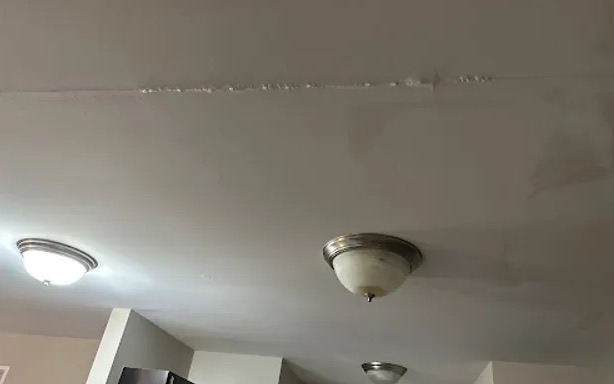
Local Ceiling Water Damage Restoration Solutions in McKendree
The threat of mold growth on the ceiling makes quick action on water damage in McKendree essential. Mold can begin colonizing damp drywall paper and wood within 24 to 48 hours, leading to potential health concerns and more extensive remediation.
In the McKendree area, ceiling water damage can escalate quickly, affecting insulation, drywall, and electrical components. Local water extraction experts remove water and dry ceilings before stains and sagging spread.
Complete Ceiling Water Damage Restoration Solutions for McKendree
Ceiling Mold Prevention
To prevent mold on a water-damaged ceiling, every trace of moisture must be removed. Humidity and material moisture are brought back to normal.
Ceiling Water Stain Removal
Experts first confirm the leak is fixed and the ceiling is dry, then apply stain-blocking primers to prevent the discoloration from bleeding through new paint.
Emergency Ceiling Water Extraction
Emergency ceiling water extraction focuses on speed and efficiency. Pros in McKendree use submersible pumps for large volumes and wet-dry vacuums for residual moisture, reducing the risk of ceiling collapse.
Roof Leak Ceiling Water Removal
Local pros perform ceiling water removal by extracting moisture from drywall and framing, a critical step before any repairs can be made.
Ceiling Drying Services
Effective ceiling drying requires technical knowledge of evaporation rates and airflow. The drying plan fits the ceiling materials and conditions.
Warning Signs You Need Ceiling Water Damage Restoration in McKendree
Visible Mold Patches
Black or green spots on the ceiling indicate active mold. Ceiling mold prevention strategies should follow professional mold remediation.
Water Stains on Ceiling
Brown or yellowish water stains on your ceiling signal moisture intrusion. Treating stains early prevents bigger damage.
Peeling Paint or Texture
Paint or popcorn texture peeling from your ceiling is a moisture sign. This requires inspection to assess the extent of water damage.
Cracking Along Ceiling Corners
Cracks where walls meet the ceiling can be caused by moisture movement. These require assessment as part of ceiling water damage repair.
How Ceiling Water Damage Restoration Works in McKendree
Step 1: Emergency Ceiling Water Extraction
The process begins with removing standing water using truck-mounted or portable extractors.
Step 2: Comprehensive Moisture Inspection
Using moisture meters and thermal imaging, the experts map all affected areas, including hidden pockets.
Step 3: Targeted Drying and Dehumidification
Industrial air movers and dehumidifiers are positioned to create optimal drying conditions. This helps prevent mold and stabilizes the structure.
Step 4: Removal and Restoration Planning
Irreparably damaged drywall and insulation are removed. The experts then provide a clear plan for the final ceiling water damage repair and reconstruction phase.
Ceiling Water Damage Sources
Overflowing Bathtubs or Sinks
An accidental overflow from a second-floor bathroom can be a major incident. It needs extraction and drying.
Roof Leaks From Storms
Damaged shingles or flashing from wind and rain allow water inside. A roof leak lets water into the ceiling.
Bathroom Vent Fan Exhaust
A bathroom fan that vents into the attic, not outside, deposits moist air. This promotes mold growth on ceiling materials and framing over time.
Poor Attic Ventilation
Inadequate attic ventilation traps heat and moisture against the roof deck. This condensation can drip onto insulation and ceiling drywall below.
Ceiling Water Damage Restoration for All Property Types in McKendree
Residential Ceiling Water Damage Restoration
Residential ceiling water damage can weaken drywall and framing if left wet. The pros use moisture meters to map damage before the ceiling drying process.
Commercial Ceiling Water Damage Restoration
Ceiling mold cleanup and prevention are critical to pass health inspections and protect reputation. The pros use industrial-grade equipment for rapid drying and odor control in these sensitive environments.
The Risks of DIY Ceiling Water Damage Restoration in McKendree
Running the bathroom exhaust fan during showers reduces ambient humidity that contributes to mold. When active water intrusion or mold is present, ceiling mold prevention and cleanup should be handled by the pros.
Factors Affecting Ceiling Water Damage Restoration Pricing
In McKendree, cost can include extras like mold treatment or a minor roof repair before the interior work starts.
Mold Prevention Needs
If moisture detection ceiling inspection finds elevated humidity, antimicrobial treatments and added drying for ceiling mold prevention become necessary cost components.
Water Contamination Category
Clean water from a supply line leak costs less to mitigate than gray water from an appliance or black water containing sewage or floodwater.
Emergency Service Timing
Emergency ceiling water extraction calls outside standard business hours may involve premium rates for after-hours work to halt worsening damage.
Does Insurance Cover Ceiling Water Damage Restoration?
For mold growth on ceiling resulting from a covered water loss, some policies may cover the mold cleanup and ceiling mold prevention treatments. The pros keep records that support your claim. Always verify what your individual policy includes regarding mold remediation limits.
Reasons to Trust Water Extraction Experts with Your Ceiling Damage
Industry-Standard Drying Methods
Drying prevents hidden moisture and mold in the ceiling cavity and attic.
Stain Removal Expertise
Stain treatments block mineral and tannin marks so they do not bleed through new paint.
24/7 Emergency Response
Quick action on emergency ceiling water extraction limits the spread of water and minimizes the area of drywall or insulation that is ultimately ruined.
24/7 Emergency Ceiling Water Damage Restoration in McKendree
Active water pouring through a ceiling demands fast action. Call (770) 501-7883 for emergency water extraction services in McKendree day or night.
Call Now (770) 501-7883Ceiling Water Damage Restoration Throughout the McKendree Region
Ceiling water damage restoration is available for homes throughout McKendree, where roof and plumbing leaks often show up as ceiling stains.
- Ceiling Water Damage Restoration in Auburn
- Ceiling Water Damage Restoration in Berkeley Lake
- Ceiling Water Damage Restoration in Braselton
- Ceiling Water Damage Restoration in Brookwood
- Ceiling Water Damage Restoration in Buford
- Ceiling Water Damage Restoration in Cedar Creek
- Ceiling Water Damage Restoration in Collins Hill
- Ceiling Water Damage Restoration in Dacula
Your Ceiling Water Damage Restoration Questions, Addressed
How is ceiling leak water removal different from floor water removal?
Overhead work requires special equipment for extraction and drying, often involves attic access, and carries the added risk of material collapse, demanding careful safety protocols.
How does the ceiling drying process prevent future odor issues?
Drying removes the moisture that bacteria and mold need to grow, which are the primary sources of musty odors following water damage in ceilings and wall cavities.
What are signs of mold growth on a ceiling after a leak?
Look for discolored patches, black speckling, a musty odor, or peeling paint. A moisture detection ceiling inspection can confirm hidden mold behind the drywall before it becomes visible.
Is wet ceiling drywall removal always necessary after a leak?
Not always; if caught early and dried from both sides, drywall can sometimes be saved. However, sagging, soft spots, or contamination typically require removal and replacement.
What causes recurring ceiling leaks after previous repair?
Recurrence often points to an unresolved external source, like a persistent roof leak, or an internal plumbing issue that was not fully identified and repaired during the initial incident.