Lawrenceville, GA · Gwinnett County
Attic Water Damage in Lawrenceville, GARoof Leak Water Removal & Emergency Attic Water Extraction
Attic Water Damage in Lawrenceville includes roof leak water removal, ceiling water damage cleanup and attic moisture inspection.
Answered 24/7
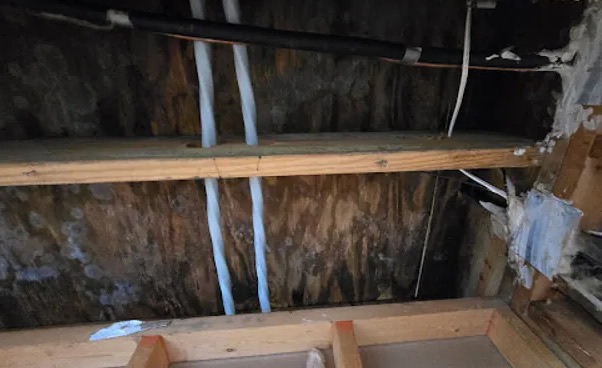
Expert Attic Water Damage Serving Lawrenceville, GA
Wet attic insulation is heavy and holds water against the ceiling drywall. In Lawrenceville homes, that weight and moisture can make a ceiling sag and eventually fall if the insulation is not removed.
In Lawrenceville, attic water damage often shows up as a ceiling stain after heavy rain. Local attic drying pros serve Lawrenceville, Sugarloaf, Grayson and Sweet Water, finding the leak point and drying the wood, insulation and drywall.
Attic Water Damage Services in Lawrenceville
Roof Leak Water Removal
Rain that came through damaged shingles, flashing or vents is removed from the attic, and the leak location is marked for the roofer.
Emergency Attic Water Extraction
Water in the attic quickly becomes a ceiling problem. Fast extraction keeps the ceiling drywall below from sagging and falling.
Ceiling Water Damage Cleanup
Damaged ceiling drywall below the attic is removed, the cavity is dried, and the ceiling is ready for patching once readings are normal.
Wet Attic Insulation Removal
Insulation that stayed wet for days is removed rather than dried, since it rarely recovers and keeps the ceiling drywall damp.
Attic Leak Water Cleanup
Water that collected on attic decking, joists and the top of the ceiling drywall is removed, and wet debris is cleared so the area can dry.
When to Call for Attic Water Damage in Lawrenceville
Crumbling Drywall Tape
Ceiling drywall tape that bubbles, cracks or peels usually means water is soaking the seams.
Wet or Sagging Insulation
Insulation that looks matted, dark or compressed, or sags between joists, has absorbed water.
Sagging or Bowed Roof Decking
Roof decking that sags or bows between rafters may be soaked or starting to rot.
Active Leak During Rain
Water dripping into the attic during rain shows an active roof leak that needs fixing and drying.
How Attic Water Damage Works in Lawrenceville
Step 1: Emergency Attic Water Extraction
Active drips are caught, pooled water is removed from decking and drywall tops, and power to wet fixtures is checked.
Step 2: Attic Moisture Inspection and Mapping
Meters and thermal cameras map wet insulation, wood and ceiling drywall from the leak point outward.
Step 3: Structural Drying and Dehumidification
Air movers and dehumidifiers dry rafters, joists and decking, with equipment set on safe footing.
Step 4: Final Verification and Documentation
Readings confirm the attic and ceiling are dry, and photos and logs are provided for insurance.
Common Causes of Attic Leaks in Lawrenceville
Storm Damage From Wind or Hail
Wind and hail can tear shingles or puncture the roof, letting rain in during the storm.
Clogged or Damaged Gutters
Clogged gutters overflow at the roof edge, pushing water under shingles and into the soffits.
Failing Roof Valley or Flashing
Worn flashing around valleys, chimneys and skylights lets water run into the attic.
Improperly Sealed Roof Penetrations
Gaps around vents, pipes and antennas that pass through the roof let water in when seals fail.
Residential and Commercial Attic Water Damage in Lawrenceville
Residential Attic Water Damage
For townhomes and condos, an attic leak can cross into a neighbor's space. Fast drying and clear records help sort out repairs with the association.
Commercial Attic Water Damage
Property managers get photos and readings for each affected unit or suite, which simplifies insurance claims and roof repair planning.
When Attic Water Removal Requires Local Pros
If a ceiling is bulging with water, do not stand under it. Place a bucket nearby, keep people away and call local attic drying pros to drain and remove it safely.
Cost Considerations for Attic Water Damage Work
Roof repair is a separate cost from water removal and drying. In Lawrenceville, both are usually needed after a roof leak.
Affected Attic Materials
Wet insulation, decking and ceiling drywall that must be removed add labor and disposal costs.
Extent of Water Intrusion
A small leak at one spot costs less to dry than water spread across the attic and the rooms below.
Size and Accessibility
Low, tight attics take longer to work in than tall attics with easy access.
Does Insurance Cover Attic Water Damage?
Many homeowner policies cover sudden roof leaks from storms and burst attic pipes, but not damage from worn-out roofing or slow leaks. Read your policy and call your insurer early.
The Value of Local Attic Water Damage Experts
Advanced Moisture Detection
Moisture meters and thermal cameras find wet insulation, wood and drywall that look dry.
Mold Prevention Focus
Fast drying of wood framing is the main way to limit microbial growth after a leak.
Full Attic Assessment
The whole attic is checked, from the roof deck to the ceiling below, not just the leak spot.
24/7 Attic Water Damage Response for Lawrenceville
Water dripping from your ceiling in Lawrenceville? Put a bucket under it, move belongings and call (770) 501-7883. Help for attic leaks is available 24/7.
Call Now (770) 501-7883Local Attic Water Damage Coverage Area
Need attic water damage outside Lawrenceville? Service also covers Sugarloaf, Grayson and Sweet Water, including emergency help during storms.
Frequently Asked Attic Water Damage Questions
What is involved in emergency attic water extraction?
Catching active drips, removing pooled water from decking and drywall tops, and starting drying before the ceiling below is ruined.
How long does the attic drying process take?
Often several days, depending on how wet the wood is, the attic temperature and how much insulation was removed.
How is ceiling water damage from an attic leak repaired?
Sagging or soft drywall is removed, the cavity is dried, and new drywall is installed, taped and painted once readings are normal.
What happens during attic leak water cleanup?
Pooled water is removed, wet insulation is bagged and taken out, and the framing and decking are dried with air movers and dehumidifiers.
What equipment is used for attic water removal?
Wet vacs, air movers, dehumidifiers, moisture meters and thermal cameras, plus bags and HEPA vacuums for insulation removal.