Monroe, GA · Walton County
Attic Water Damage Restoration in Monroe, GAWet Attic Insulation Removal & Attic Mold Prevention
Attic Water Damage Restoration in Monroe runs from roof leak water removal and attic leak water cleanup to attic drying services.
Answered 24/7
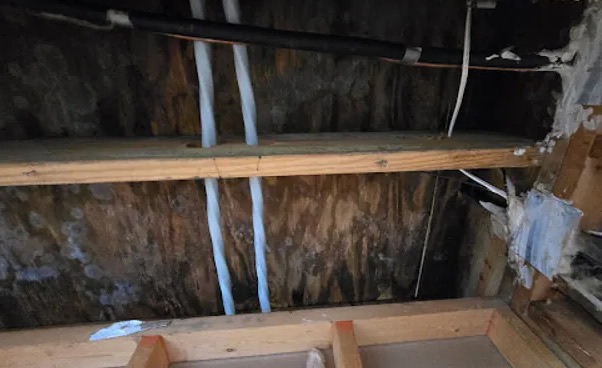
Attic Water Damage Restoration Solutions in Monroe
Attics hide water well. Insulation absorbs it, wood soaks it up, and nobody goes up there often. In Monroe, the first sign is usually a ceiling stain, a musty smell upstairs or a drip during heavy rain.
A storm leak in Monroe can soak attic insulation in one night. Local attic water damage pros serve Monroe and nearby Loganville, Russell and Winder, with help available around the clock.
Detailed Attic Water Damage Restoration Solutions
Wet Attic Insulation Removal
Insulation that stayed wet for days is removed rather than dried, since it rarely recovers and keeps the ceiling drywall damp.
Attic Mold Prevention
After drying, an antimicrobial can be applied to roof decking and framing that were wet, to slow mold on surfaces that stay in place.
Roof Leak Water Removal
Rain that came through damaged shingles, flashing or vents is removed from the attic, and the leak location is marked for the roofer.
Ceiling Water Damage Cleanup
Small ceiling stains can often be dried in place and sealed. Sagging, soft or crumbling drywall is replaced.
Attic Leak Water Cleanup
Leak cleanup in an attic means working between joists and around ducts, wiring and insulation, removing water from every spot it pooled.
Do You Need Attic Water Damage Restoration in Monroe?
Sagging or Bowed Roof Decking
Roof decking that sags or bows between rafters may be soaked or starting to rot.
Water Stains on Ceiling
Brown rings or yellow spots on an upstairs ceiling usually mean water is sitting on the drywall from above.
Rust on Nails or Vents
Rusted nail tips, vent flanges or metal straps in the attic point to repeated moisture.
Visible Mold in Attic
Dark spots on roof decking or rafters mean the wood has stayed damp for some time.
How Attic Water Damage Restoration Works in Monroe
Step 1: Initial Assessment and Water Removal
The pros find the source, check safety in the attic and remove standing water and wet debris.
Step 2: Wet Attic Insulation Removal
Soaked batts or blown-in insulation are bagged and removed so the wood and drywall can dry.
Step 3: Targeted Attic Drying Process
Drying equipment is aimed at the wet framing and ceiling, and moved as areas reach normal readings.
Step 4: Sanitization and Mold Prevention
Once dry, decking and rafters that stayed wet can be cleaned and treated with an antimicrobial.
Typical Sources of Attic Moisture Issues
Storm Damage From Wind or Hail
Wind and hail can tear shingles or puncture the roof, letting rain in during the storm.
Overflow From Bathroom Exhaust Fans
Bathroom fans that vent into the attic, or have disconnected ducts, release moisture onto the decking.
Condensation From Poor Ventilation
Warm, moist air from the house condenses on cold roof decking when the attic is poorly vented.
Clogged or Damaged Gutters
Clogged gutters overflow at the roof edge, pushing water under shingles and into the soffits.
Attic Water Damage Restoration for Homes and Businesses in Monroe, GA
Residential Attic Water Damage Restoration
In two-story homes, an attic leak can affect both upstairs ceilings and the walls below them. Each wet area is checked with a meter and dried.
Commercial Attic Water Damage Restoration
Flat-roof commercial buildings often have leaks that travel before dripping. The pros trace the water path to find every wet section above the ceiling.
Why DIY Attic Water Damage Restoration Often Fails in Monroe
If a ceiling is bulging with water, do not stand under it. Place a bucket nearby, keep people away and call local attic water damage pros to drain and remove it safely.
Understanding Attic Water Damage Restoration Pricing
Tight attic access, after-hours calls and ceiling drywall replacement all add to the total for attic water damage restoration in Monroe.
Type of Water Involved
Clean rainwater is simpler to handle than water from a drain or a contaminated source.
Affected Attic Materials
Wet insulation, decking and ceiling drywall that must be removed add labor and disposal costs.
Required Drying Time
Dense wood framing can take several days to dry, adding equipment time.
Does Insurance Cover Attic Water Damage Restoration?
Take photos of the ceiling, the attic and any storm damage on the roof before cleanup starts. Keep receipts for tarping and emergency drying.
Selecting Local Pros for Attic Water Damage Restoration in Monroe, GA
Wet Insulation Handling
Wet insulation is bagged and removed carefully, keeping debris out of the living space.
Ceiling Damage Mitigation
Sagging ceiling drywall is drained and removed safely before it can fall.
Detailed Documentation
Photos, readings and drying logs are kept to support your insurance claim.
24/7 Emergency Attic Water Damage Restoration in Monroe
A wet attic soaks the ceiling below within hours. Call (770) 501-7883 for attic water damage restoration in Monroe at any time of the day or night.
Call Now (770) 501-7883Local Attic Water Damage Restoration Coverage Area
Other places served are listed below, each with its own page.
- Attic Water Damage Restoration in Loganville
- Attic Water Damage Restoration in Russell
- Attic Water Damage Restoration in Winder
- Attic Water Damage Restoration in Grayson
- Attic Water Damage Restoration in Covington
- Attic Water Damage Restoration in Alpharetta
- Attic Water Damage Restoration in Cumming
- Attic Water Damage Restoration in Milton
Your Attic Water Damage Restoration Questions Resolved
Should I remove belongings from my attic after water damage?
Yes, if it is safe. Wet boxes and items should be moved out so they can dry and the attic can be worked on.
What are common signs of poor attic ventilation?
Damp or dark roof decking, rusted nails, musty smells and condensation on the underside of the roof.
How quickly should I respond to an attic leak?
Right away. Water on the attic floor soaks into the ceiling drywall within hours and can make it sag or fall.
Does a roof leak always cause attic mold growth?
No. Mold is more likely when wood and insulation stay wet for days, so drying is the main way to prevent it.
How long does the attic drying process take?
Often several days, depending on how wet the wood is, the attic temperature and how much insulation was removed.