Snellville, GA · Gwinnett County
AC Fire Restoration in Snellville, GAAC Unit Fire Damage Cleanup & HVAC Smoke Residue Removal
AC Fire Restoration for Snellville involves AC unit fire damage cleanup, fire damaged ductwork cleaning, and AC smoke odor removal.
Answered 24/7
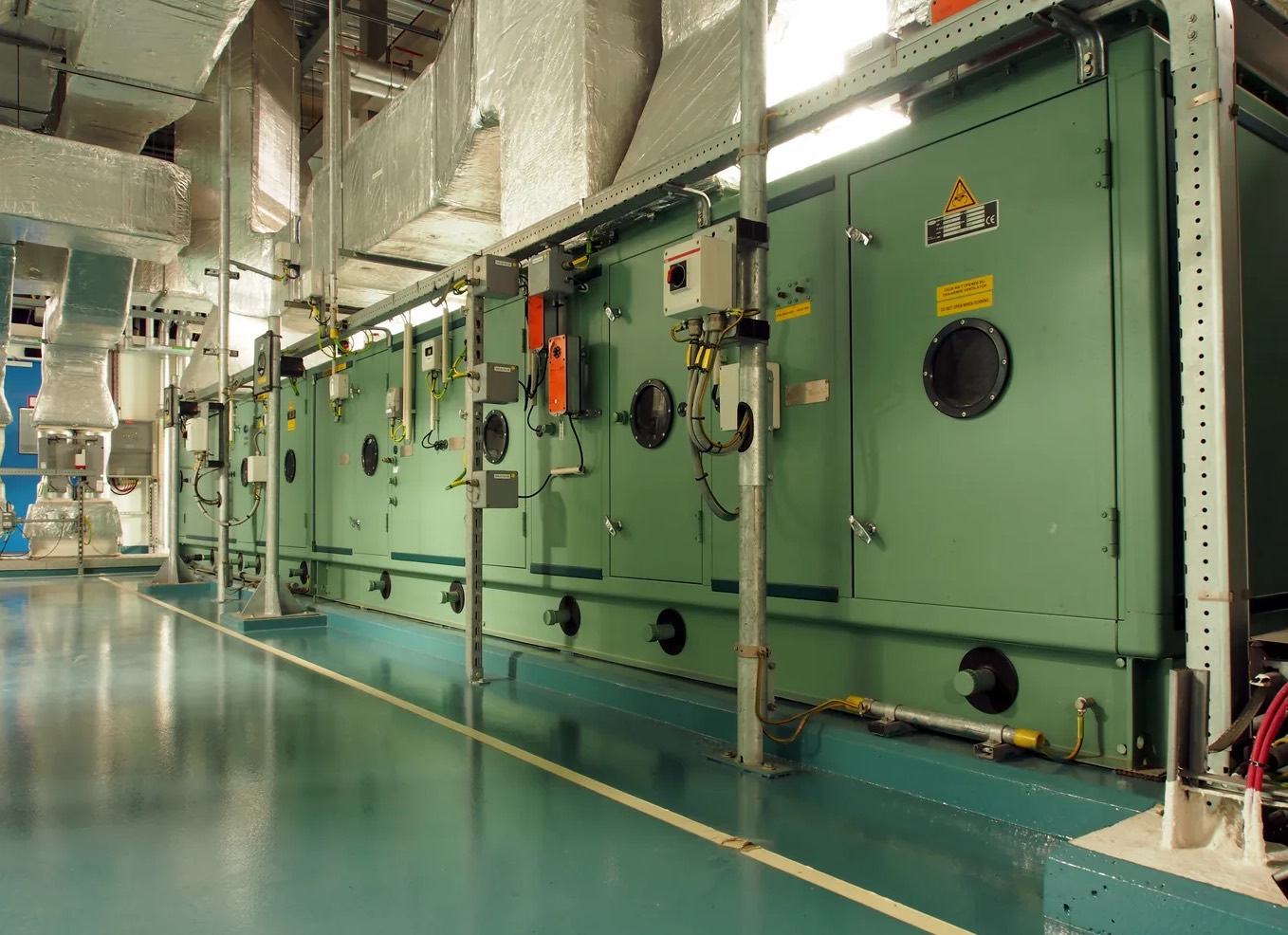
Professional AC Fire Restoration in Snellville, GA
AC fire damage in Snellville can spread soot and corrosive residues through your ductwork, compromising indoor air quality and system efficiency. Local AC fire restoration pros remove smoke residue from each HVAC component.
For Snellville residents, a damaged AC system affects comfort and indoor air, so fire damage restoration must be thorough and reliable. Local AC fire restoration pros handle the full scope from emergency AC fire restoration to final odor removal.
Comprehensive AC Fire Restoration for Snellville Homes
AC Unit Fire Damage Cleanup
AC Unit Fire Damage Cleanup involves the removal of soot and smoke residue from condenser coils, fan blades, and electrical contacts.
HVAC Smoke Residue Removal
Running air through smoke-contaminated ducts spreads odors and irritants to every room the system serves.
Post-Fire AC System Sanitization
Sanitizing is the last step before the system restarts, so clean air reaches the rooms again.
AC Electrical Damage Assessment
Soot is conductive and corrosive, posing a serious fire risk if it remains on electrical parts, making a professional evaluation essential.
Emergency AC Fire Restoration
Emergency AC fire restoration services in Snellville provide immediate assessment and action. Early photos and notes also help with the insurance claim.
Warning Signs You Need AC Fire Restoration
AC Unit Failed to Restart Post-Fire
If your air conditioner will not power on after a nearby fire, internal electrical components may be compromised.
Soot Deposits on Air Vents
Visible black or gray dust around AC supply registers often indicates soot is present in your ductwork after a fire event.
Irritation From Indoor Air Quality
Increased allergy symptoms or respiratory irritation at home can stem from fine smoke particles circulated by your HVAC system.
Visible Soot Inside AC Unit
Seeing soot accumulation on the indoor coil or blower fan is a clear indicator of AC fire damage that needs cleanup.
How AC Fire Restoration Works in Snellville
Step 1: 24/7 Emergency Response Call
The pros usually move to stop soot from spreading further in the building.
Step 2: AC Unit Fire Damage Cleanup
The focus turns to the air conditioner itself, with careful disassembly and cleaning of internal parts affected by heat, smoke, and soot damage.
Step 3: Odor Neutralization Treatment
Odor treatments such as thermal fogging or ozone neutralize smoke molecules in the system.
Step 4: Post-Restoration System Validation
A final check confirms the system is clean, has no smoke smell and runs normally through a full cycle.
Origins of AC Fire Damage in Snellville
Furnace or Heat Pump Malfunction
A malfunction in the heating component of an HVAC system can overheat, potentially causing a fire that damages connected AC parts.
Flammable Materials Near AC Unit
Storing boxes, chemicals, or yard waste too close to the outdoor condenser unit creates a direct fire hazard for the system.
Kitchen Grease Fire Spread
Grease fires can quickly spread smoke and soot into kitchen vents, which then draws contamination into the central HVAC system.
Faulty Electrical Panel Wiring
Problems in the home's main electrical panel can cause surges or shorts that damage the sensitive circuitry of the air conditioner.
Both Residential & Commercial AC Fire Restoration in Snellville
Residential AC Fire Restoration
In a house, the electrical assessment comes first. The pros check wiring, capacitors, and controls before any cleaning or restoration work begins.
Commercial AC Fire Restoration
A commercial AC fire restoration project requires coordinating with facility managers. Airflow to occupied areas is restored first, and repairs meet safety codes.
The Risks of DIY AC Fire Restoration in Snellville
Do not attempt to clean deep inside ducts or the AC unit itself, as improper soot removal from AC can worsen air quality and damage components.
Estimating AC Fire Restoration Expenses in Snellville
For fire damaged ductwork cleaning and associated services in Snellville, costs relate to the linear footage of ducts and the number of air handler components affected. Emergency service timing can also be a factor.
Smoke Odor Penetration
Persistent smoke smells may need extra deodorizing passes, which adds time and equipment to the job.
Emergency Service Timing
Emergency after-hours work is usually priced differently from scheduled smoke cleanup during regular business hours.
Sanitization Requirements
Post-fire AC system sanitization may involve specialized antimicrobial treatments, adding a step to the standard cleanup.
Does Insurance Cover AC Fire Restoration?
Whether emergency AC fire restoration is covered involves your policy's language about sudden and accidental damage. The pros focus on proper documentation of the soot and smoke damage cleanup for your claim file.
Why Choose Local Pros for AC Fire Restoration in Snellville
Containment of Affected Areas
Containment practices during the AC fire restoration process help limit the spread of soot to clean areas.
Focused Soot and Residue Removal
The process targets stubborn soot removal from AC coils and components to help restore system function.
Electrical Safety Assessment
An AC electrical damage assessment checks components before cleaning to help identify potential safety issues.
Snellville Emergency AC Fire Restoration Services
Emergency fire restoration for your HVAC system helps secure the property and document damage for insurance. Initiate the AC fire restoration process with a call to (770) 501-7883.
Call Now (770) 501-7883Local AC Fire Restoration Areas Including Snellville
Other places served are listed below, each with its own page.
Common AC Fire Restoration Questions Answered
What is the goal of AC unit fire damage cleanup?
Removing soot restores safe operation, improves indoor air quality and slows corrosion of metal parts.
Does AC fire restoration require replacing parts?
Parts replacement depends on the AC electrical damage assessment findings; some components may be cleaned, while others damaged by heat may need replacement.
Is duct cleaning always part of AC fire restoration?
Duct cleaning is almost always recommended as part of fire damage restoration, as smoke particles readily travel through and lodge in ductwork.
What is post-fire AC system sanitization?
Post-fire AC system sanitization involves applying EPA-registered antimicrobial treatments after cleaning. It also addresses mold in damp, fire-affected ducts.
What follows the initial emergency fire restoration?
After the emergency response, the full AC fire restoration process continues with detailed cleaning, deodorization, and final system checks and sanitization.